
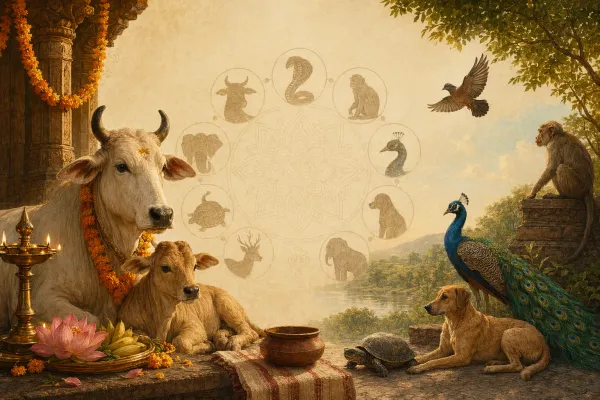
Are All Animals Sacred in India?
India does not have one rule that makes every animal equally sacred. The deeper idea is respect for life, symbols, stories, and responsibility.
Satarupa Banerjee is a passionate blog writer with a keen interest in creating engaging, informative, and reader-friendly content. She specializes in crafting articles that blend creativity with clarity, helping audiences connect with inspirations.
India does not have one rule that makes every animal equally sacred. The deeper idea is respect for life, symbols, stories, and responsibility.

Cow reverence in India comes from care, food, village economy, devotional stories, and the dharmic value of non-harm.
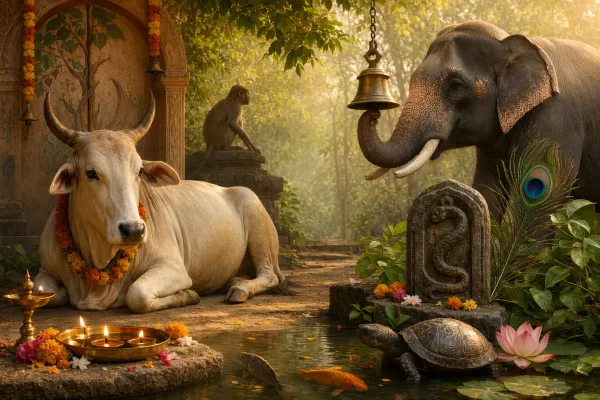
Sacred animals in India are not one fixed list. They carry meanings through stories, temple art, farming life, ethics, and everyday respect.
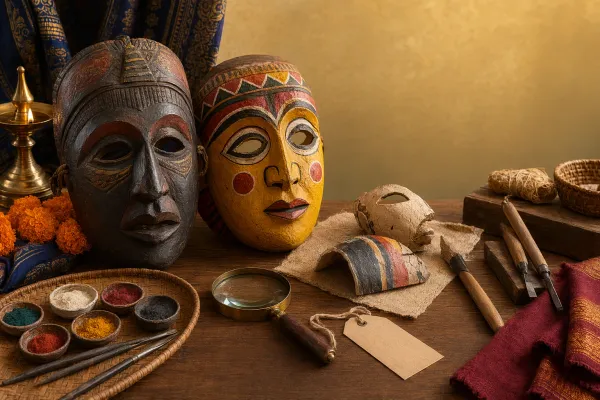
Authentic Indian masks are not judged by age alone. Learn how context, craft lineage, purpose, and respect help you identify them.
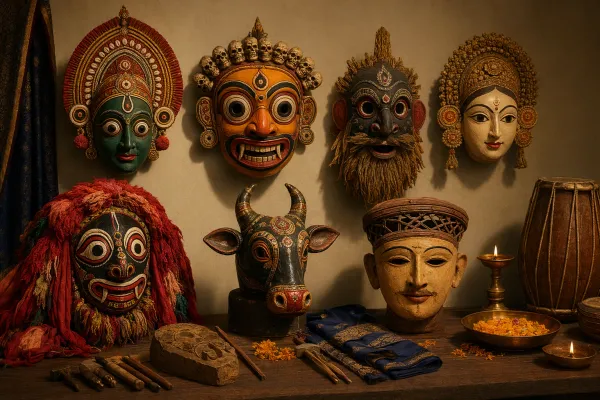
Indian mask traditions change with region, material, performance space, and belief. This guide maps major styles with care and context.
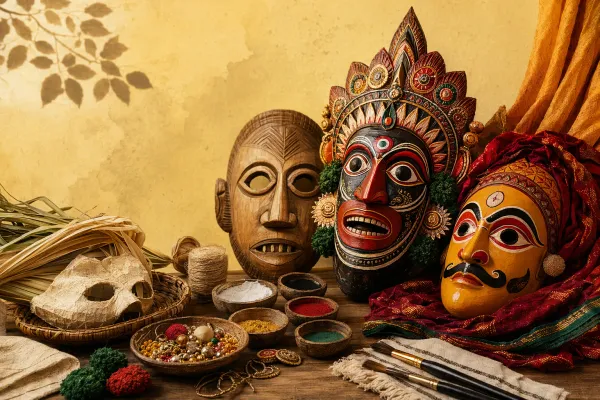
Indian masks may use wood, paper layers, cloth, palm material, paint and ornaments — but the right material depends on region and use.
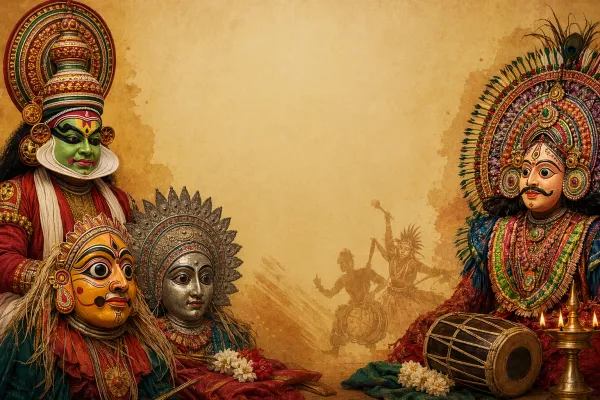
Indian theatre uses masks, makeup and headgear to transform performers into gods, heroes, demons, animals and unforgettable characters.
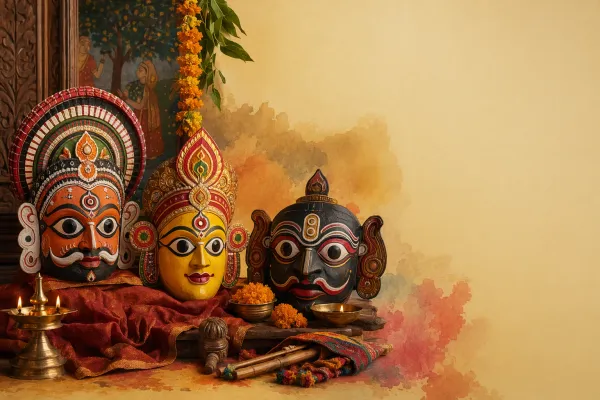
Indian god masks are more than dramatic faces. They can carry deity roles, stories, community memory, protection and festival meaning.
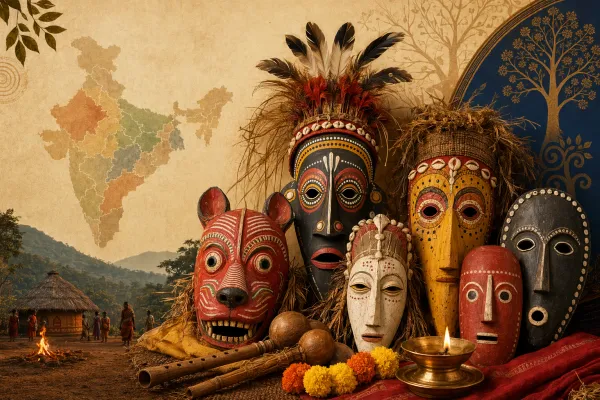
Indian tribal and community masks are diverse. This guide explains regional use, festival meaning, local deities and respectful viewing.