
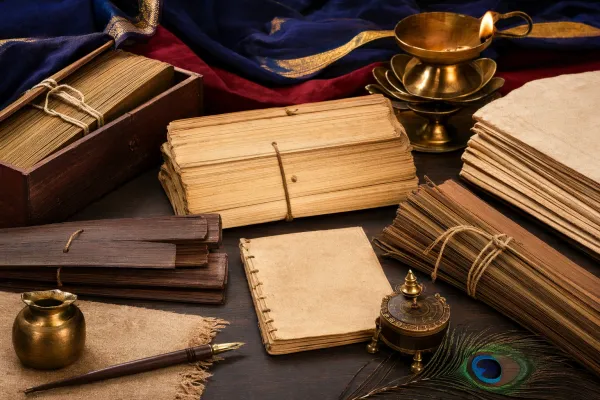
What Language Were Indian Manuscripts Written In?
Indian manuscripts used many languages and scripts. This guide explains Sanskrit, Prakrit, Pali, Tamil, Persian and why script is separate.
Satarupa Banerjee is a passionate blog writer with a keen interest in creating engaging, informative, and reader-friendly content. She specializes in crafting articles that blend creativity with clarity, helping audiences connect with inspirations.
Indian manuscripts used many languages and scripts. This guide explains Sanskrit, Prakrit, Pali, Tamil, Persian and why script is separate.
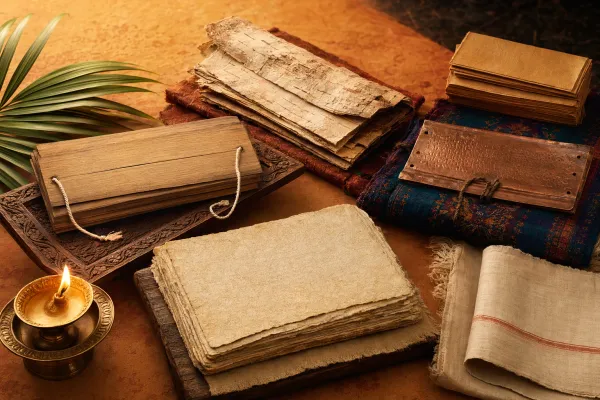
Ancient Indian manuscripts were written on palm leaf, birch bark, paper, copper plates and other materials shaped by region, climate and use.
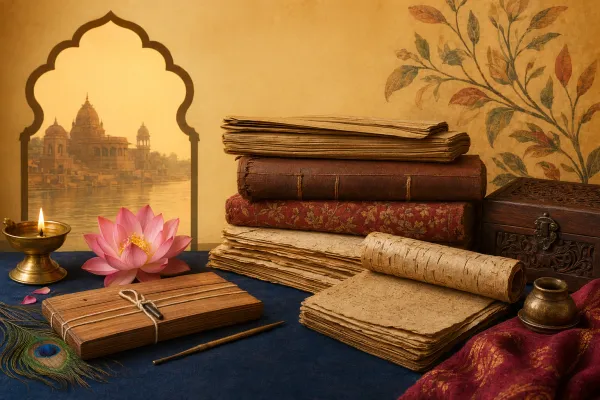
Indian manuscripts are handwritten records of knowledge, devotion, literature, science, art and daily life preserved across India’s many regions.
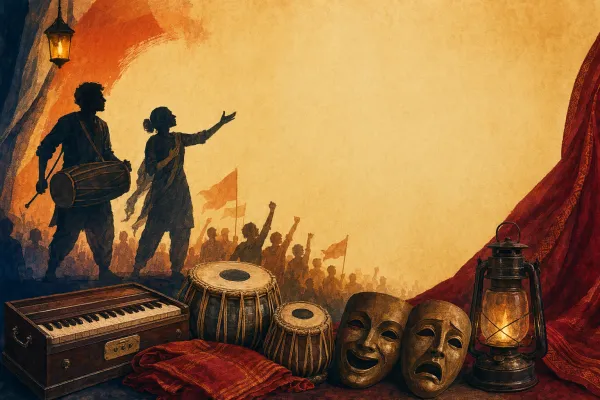
IPTA made theatre a public cultural force in India, connecting songs, plays, artists, workers, students and freedom-era social concerns.
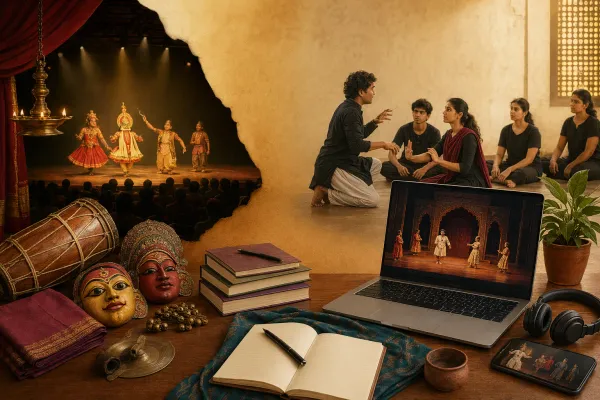
Want to watch Indian theatre or learn it seriously? Start with live plays, venues, festivals, online archives, workshops and respectful practice.
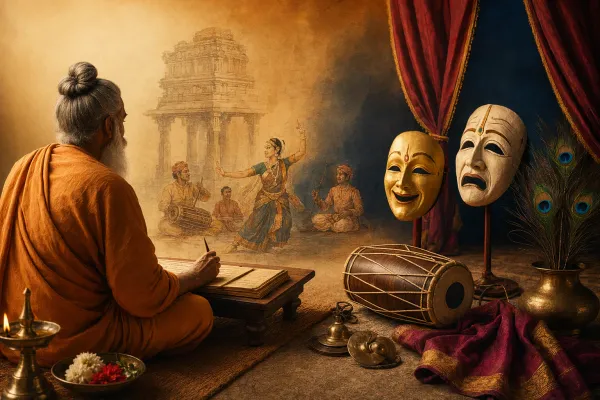
People use “father of Indian theatre” in different ways. This guide separates Bharata Muni, ancient drama theory, and modern theatre clearly.
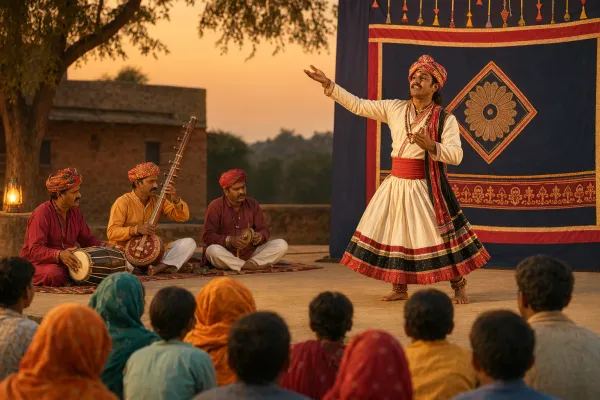
Indian folk theatre brings story, music, humour, costume, devotion, satire, and local language into lively community performance across many regions.
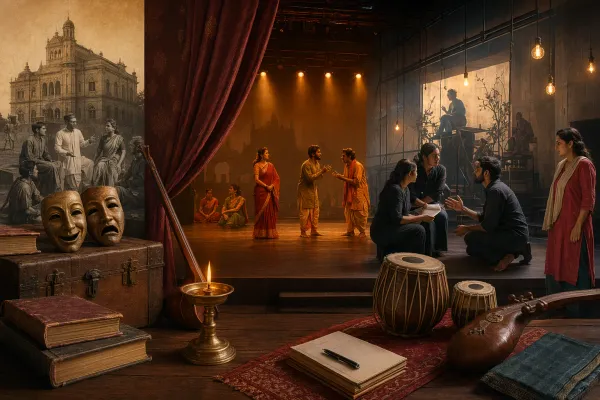
Modern Indian theatre grew through new stage spaces, Western forms, Indian languages, social reform, nationalism, institutions, experiments and regional voices.
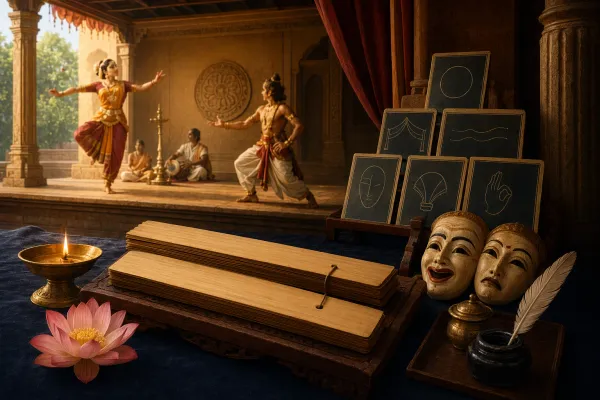
Sanskrit theatre is the classical world of ancient Indian drama, joining poetry, acting, rasa, abhinaya, music, gesture, stage convention and living memory.