
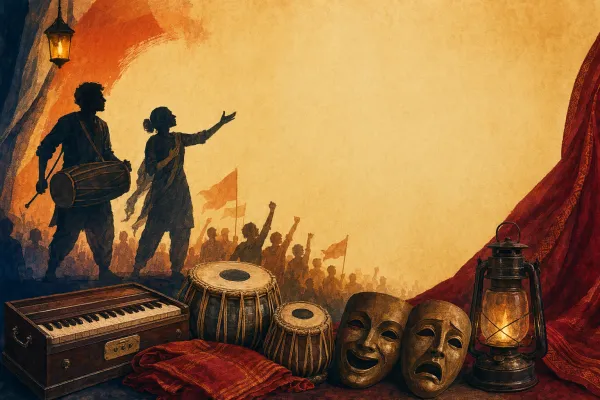
What Is the Indian People’s Theatre Association? IPTA Explained Simply
IPTA made theatre a public cultural force in India, connecting songs, plays, artists, workers, students and freedom-era social concerns.
IPTA made theatre a public cultural force in India, connecting songs, plays, artists, workers, students and freedom-era social concerns.
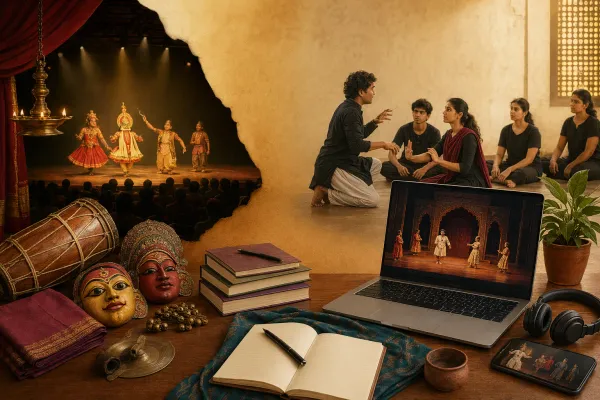
Want to watch Indian theatre or learn it seriously? Start with live plays, venues, festivals, online archives, workshops and respectful practice.
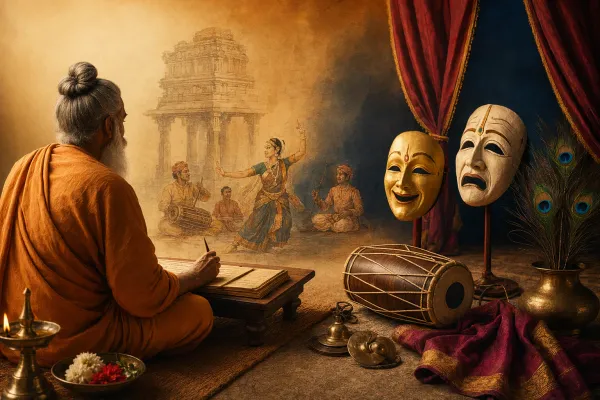
People use “father of Indian theatre” in different ways. This guide separates Bharata Muni, ancient drama theory, and modern theatre clearly.
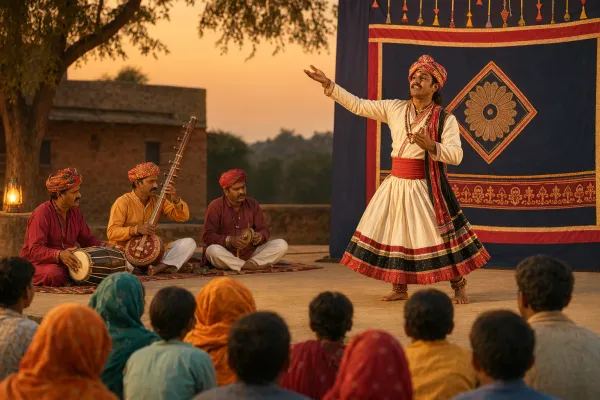
Indian folk theatre brings story, music, humour, costume, devotion, satire, and local language into lively community performance across many regions.
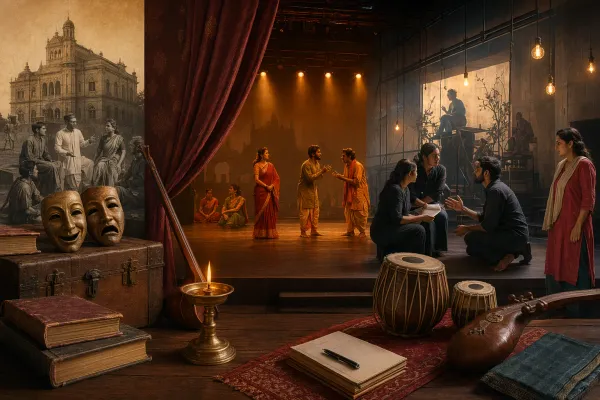
Modern Indian theatre grew through new stage spaces, Western forms, Indian languages, social reform, nationalism, institutions, experiments and regional voices.
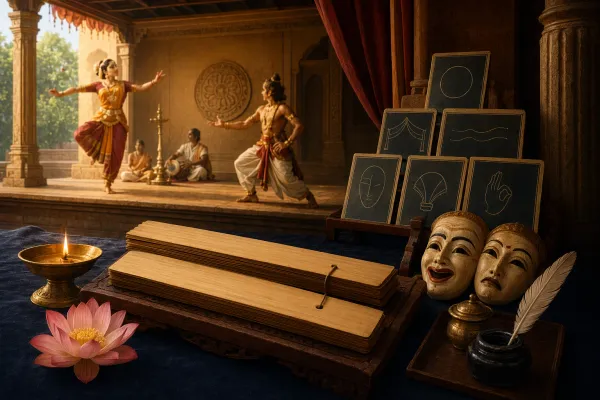
Sanskrit theatre is the classical world of ancient Indian drama, joining poetry, acting, rasa, abhinaya, music, gesture, stage convention and living memory.
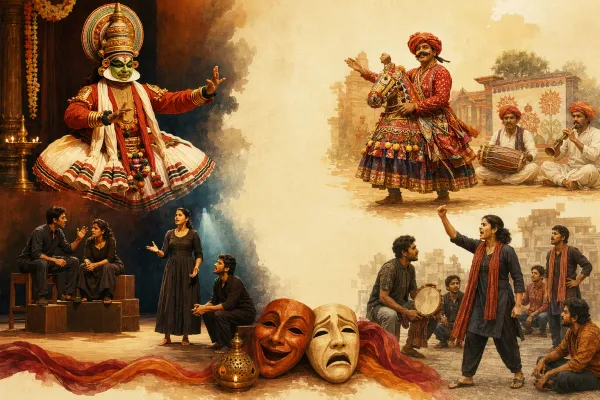
Indian theatre has many types because India has many languages, regions, communities, and performance spaces. Here is a clear beginner map.
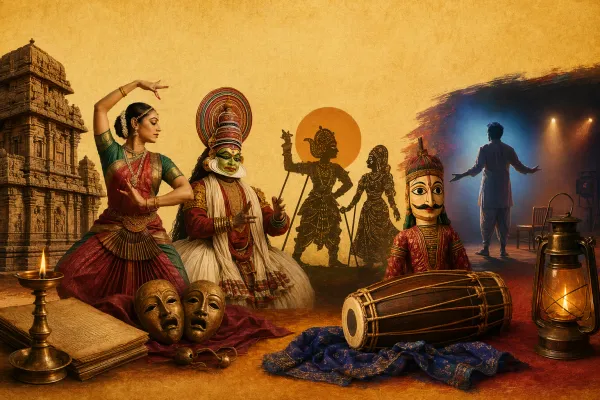
Indian theatre has no single starting line. Its history moves through classical drama, community performance, colonial cities, social reform, and modern experimentation.
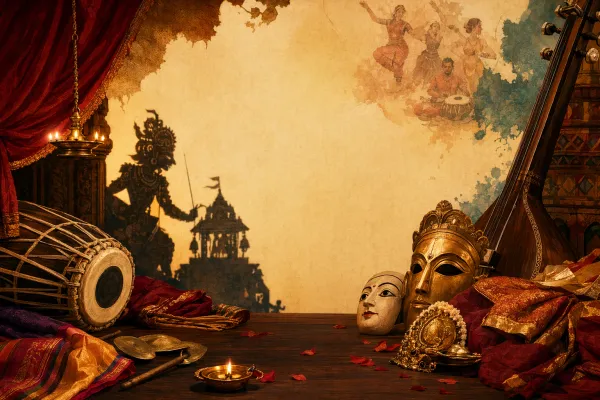
Indian theatre is more than a play on a stage. It is a living mix of story, music, dance, language, costume, devotion, humour, and public conversation.