
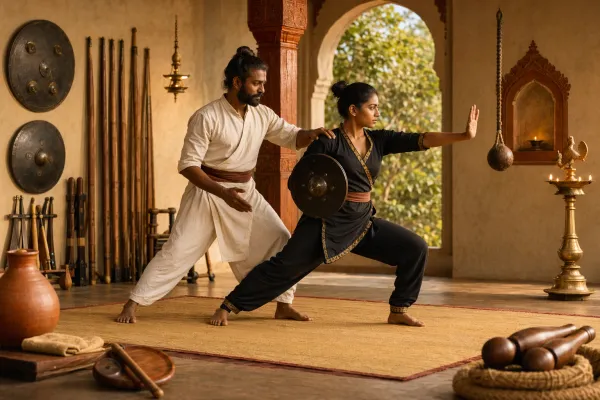
How to Learn Indian Martial Arts Safely: Classes, Online Lessons and Beginner Tips
Learning Indian martial arts should begin with safety, a good teacher, gradual practice, and respect for the tradition.
Learning Indian martial arts should begin with safety, a good teacher, gradual practice, and respect for the tradition.
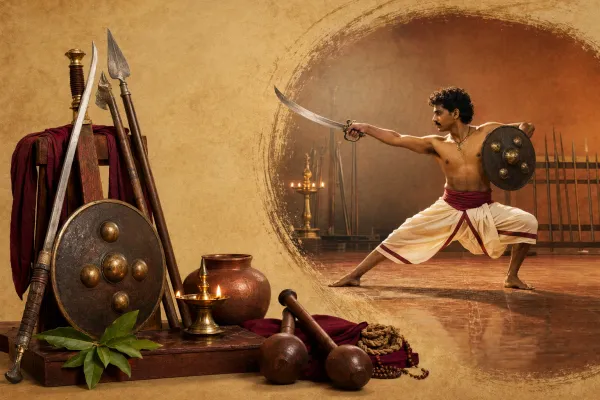
Kalaripayattu is one of India’s best-known martial traditions, rooted in Kerala’s kalari training culture and disciplined practice.
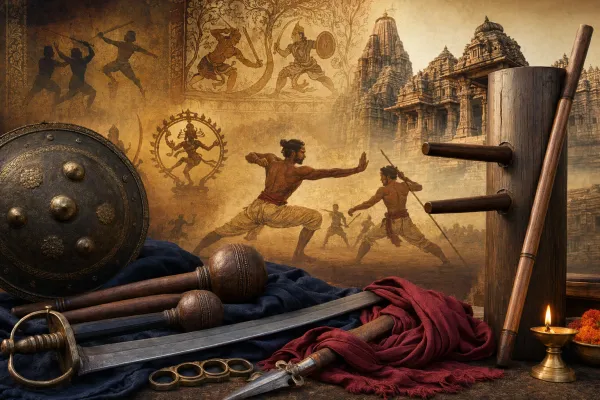
The age of Indian martial arts is not one neat date. This guide explains the history through texts, regions, weapons, and living traditions.
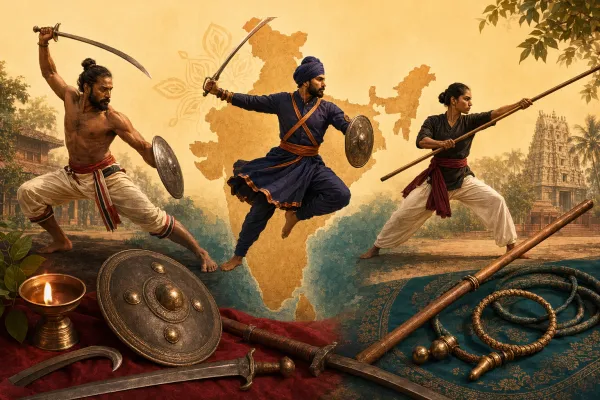
Indian martial arts are better understood through regional names and living traditions than through one single label.
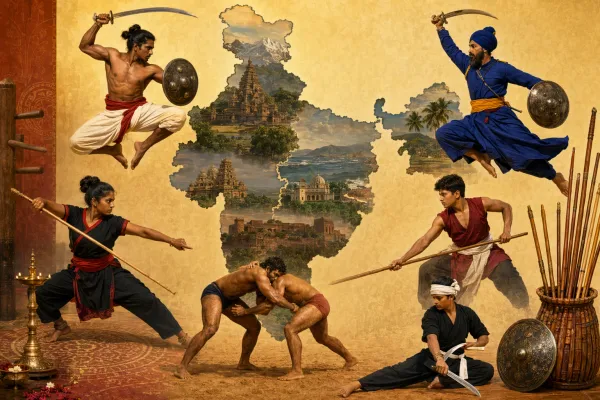
Use this beginner list to understand major Indian martial arts by region, style, weapon practice, performance, and living heritage.
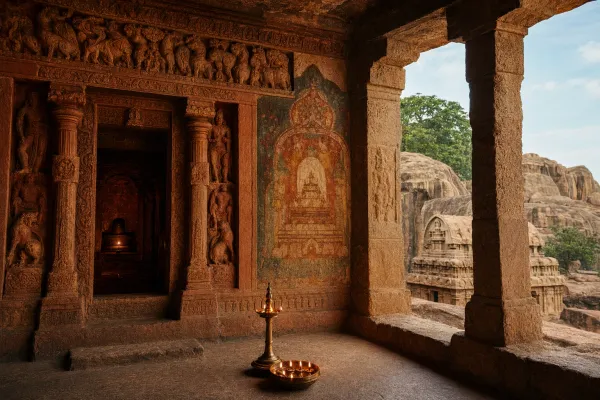
South Indian cave temples show how Pallava and Chalukya artists shaped rock into shrines, mandapas, sculpture, and early temple ideas.
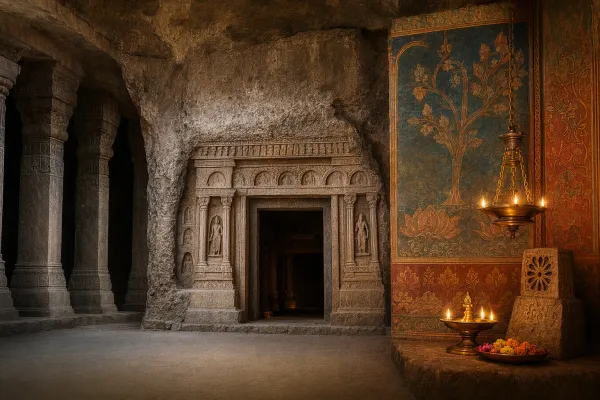
The Elephanta Caves matter for their Shaiva sculptures, especially the great three-faced form, and for the layered story of survival after damage.
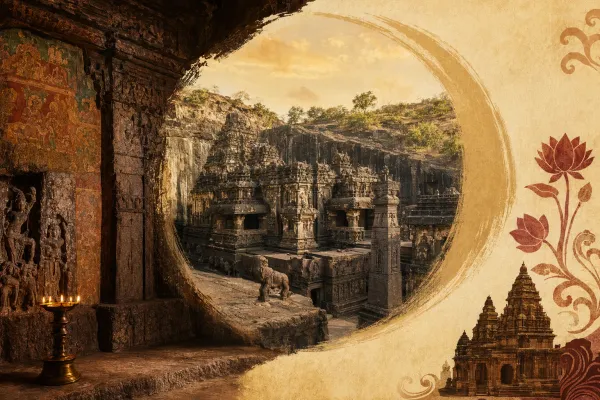
Kailasa Temple at Ellora is famous as India’s great monolithic cave temple, carved from rock with remarkable scale, planning, and Shaiva meaning.
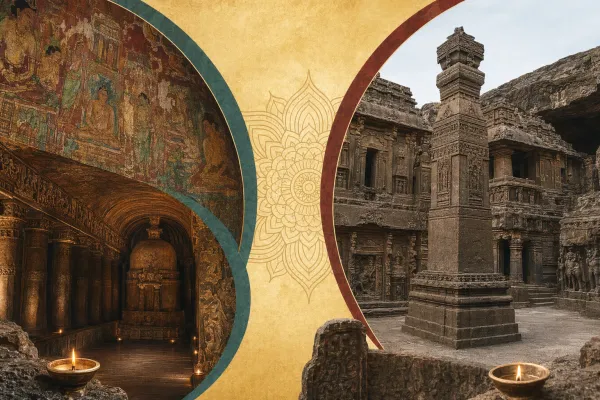
Ajanta is older in origin and famous for Buddhist paintings; Ellora is later, broader, and known for Buddhist, Hindu, Jain caves and Kailasa Temple.