
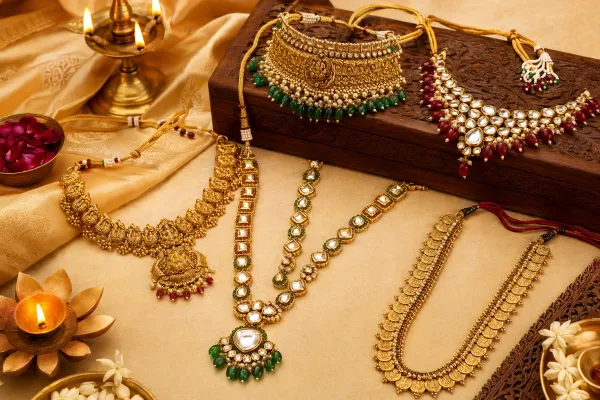
Traditional Indian Necklace Types: Chokers, Haar, Kundan, and More
From chokers and rani haars to kundan, temple necklaces, coin chains, and mangalsutras, Indian necklace types become easier when grouped by shape and use.
From chokers and rani haars to kundan, temple necklaces, coin chains, and mangalsutras, Indian necklace types become easier when grouped by shape and use.
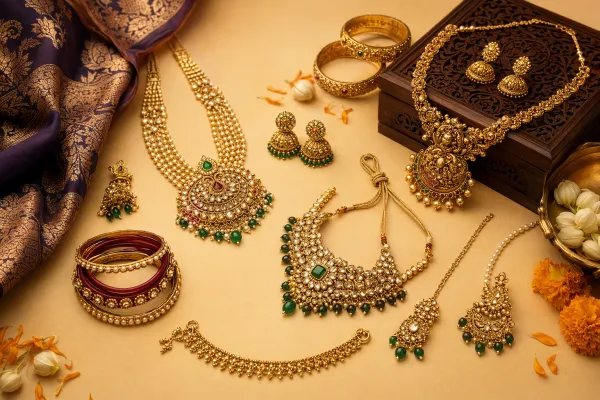
Confused by Indian jewellery names? This guide groups necklaces, bangles, anklets, head ornaments, temple pieces, kundan, polki, and more in a simple way.
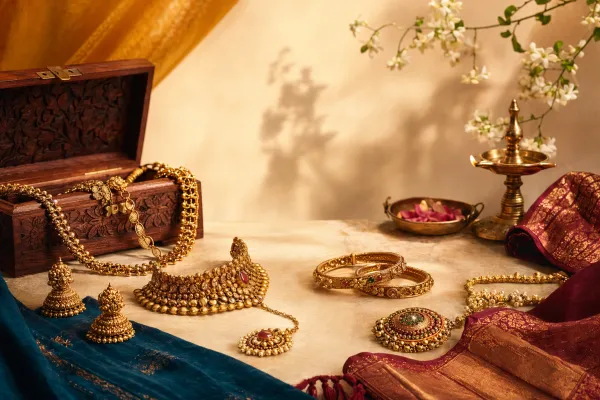
Traditional Indian jewellery is more than decoration. This beginner guide explains ornaments, materials, regional styles, and cultural meaning with care.
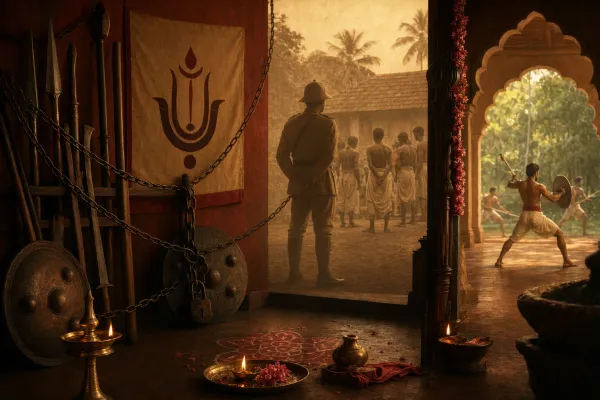
The Kalaripayattu ban question is usually about colonial-era restrictions and social change, not one simple all-India rule.
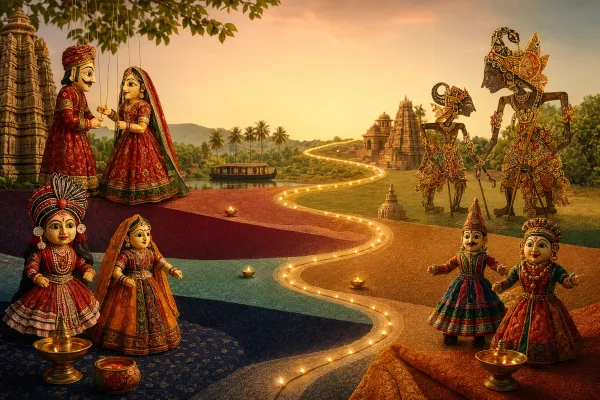
Indian puppetry includes string, shadow, rod, and glove traditions. This beginner map introduces regional names, materials, stories, and performance settings.
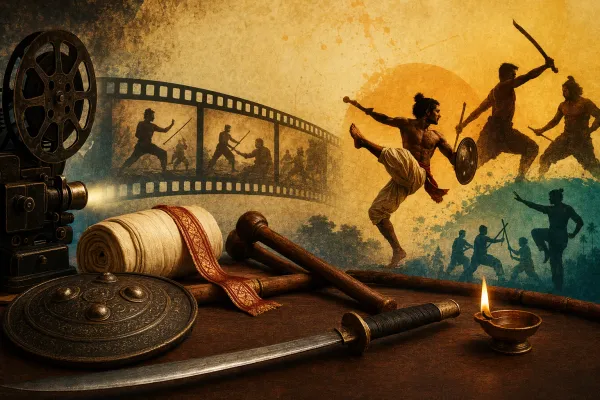
Movies can make Indian martial arts exciting, but cinema choreography is not the same as traditional training.
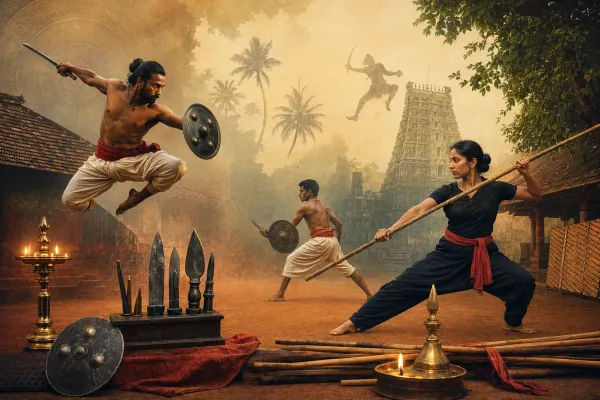
South Indian martial arts include powerful living traditions such as Kalaripayattu and Silambam, each with its own region and practice culture.
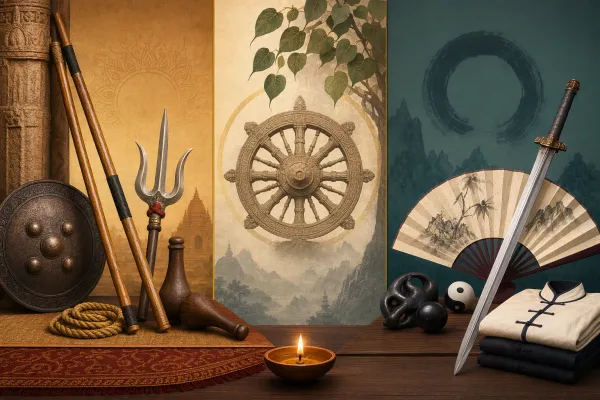
Indian and Chinese martial arts are both diverse traditions. This guide compares them without reducing either culture to stereotypes.
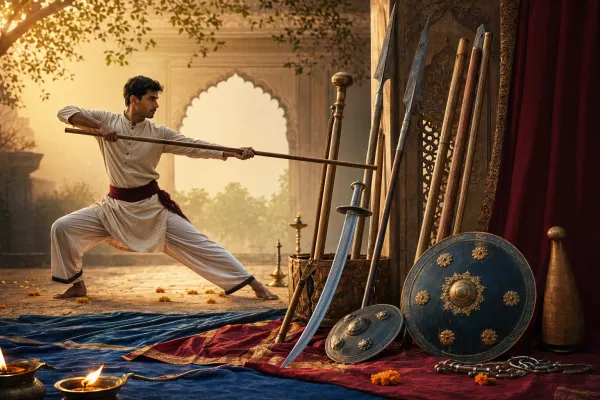
Weapons in Indian martial arts carry history, training discipline, performance context, and safety responsibilities.