
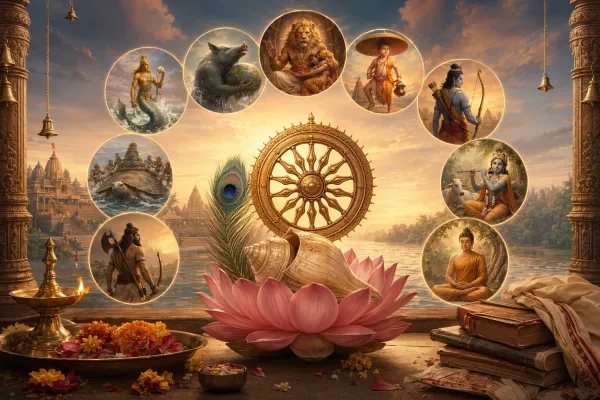
Vishnu Avatars Explained: Dashavatara, Dharma, and the Pattern Behind the Ten Forms
The Dashavatara is more than a list of ten forms; it is a way to understand how Vishnu protects dharma in different ages.
The Dashavatara is more than a list of ten forms; it is a way to understand how Vishnu protects dharma in different ages.
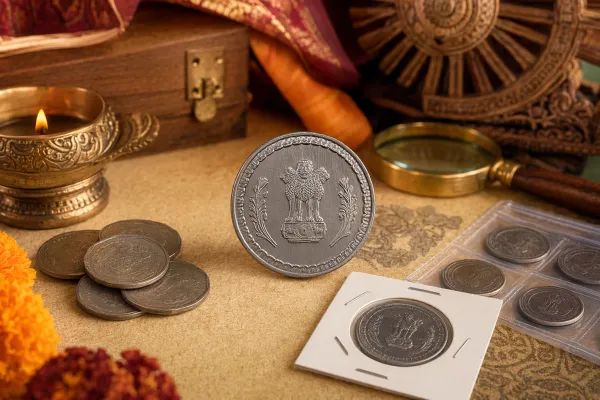
The 1 rupee coin is one of India’s most familiar pieces of money. Its design, metal, and size have changed, but its place in everyday life remains memorable.
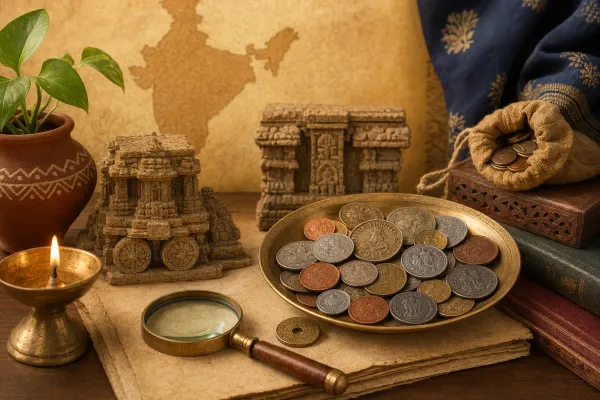
Indian coins are small objects with big histories. This guide explains what coins are, how they changed in India, and what beginners should notice.
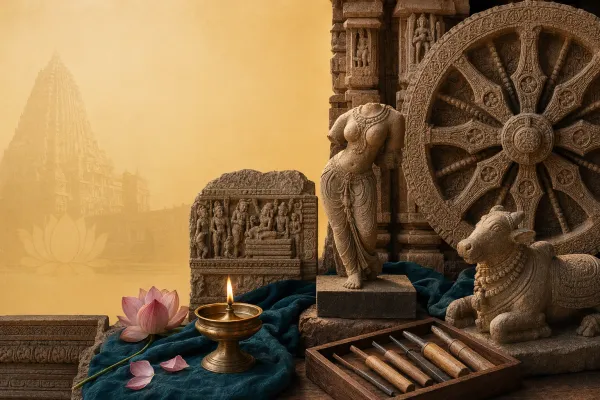
Indian sculpture is a language of posture, gesture, ornament, story, and sacred presence. This guide explains the visual clues that help beginners read it.
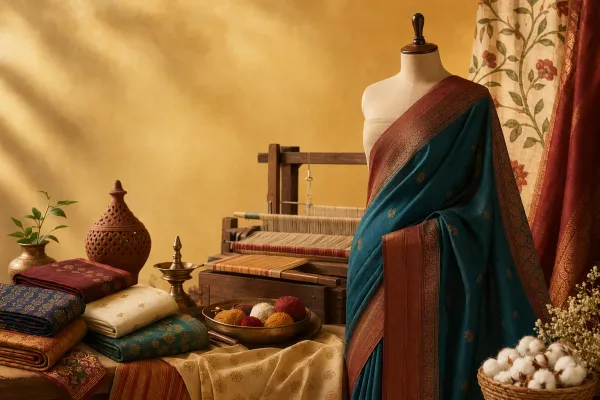
Indian textiles are not museum pieces. They continue to move through runways, offices, weddings, streetwear, slow fashion labels, and everyday wardrobes.
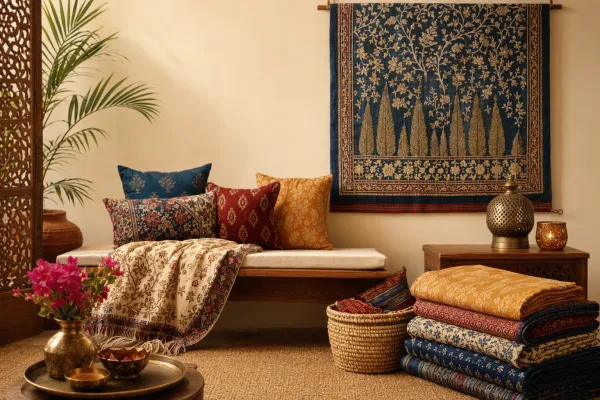
Indian textiles can bring warmth, colour, and history into a home. The most beautiful rooms use them with context, balance, and respect for the craft.
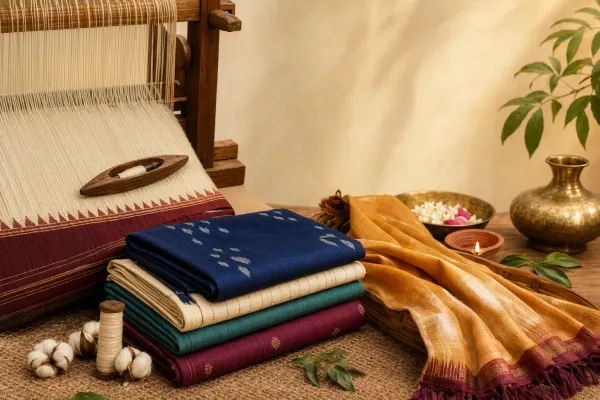
Handwoven fabric carries the rhythm of the loom. This guide explains the signs beginners can look for before buying saris, dupattas, shawls, yardage, and home textiles.
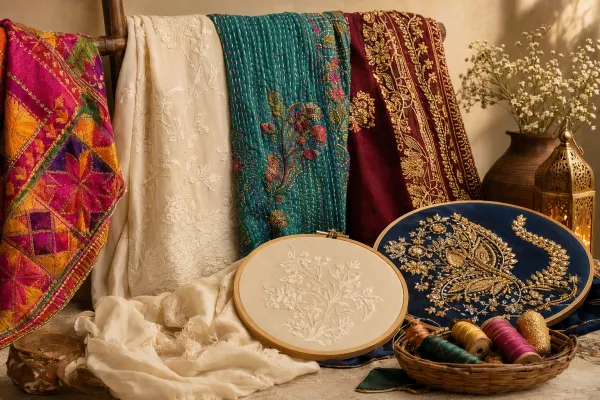
Indian embroidery is not one tradition but a living map of regions, materials, memories, and hands. This guide introduces major styles and what makes each one distinctive.
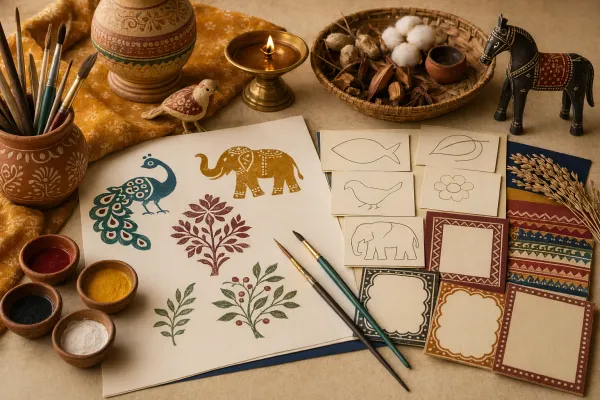
Students can learn Indian folk art through examples, maps, motifs, storytelling, and careful art projects. This guide keeps creativity connected to cultural respect.