Key Features of Indian Sculpture: Symbols, Postures, and Stories
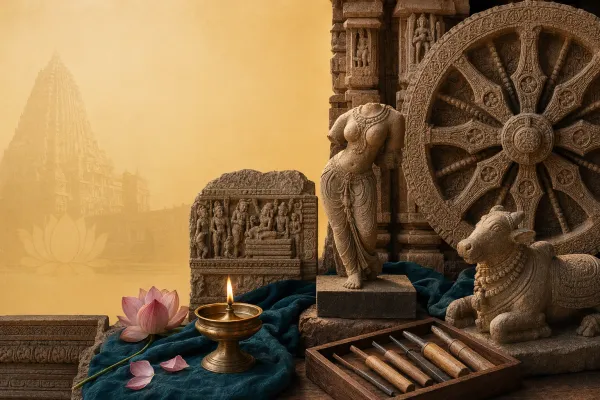
Indian sculpture is a language of posture, gesture, ornament, story, and sacred presence. This guide explains the visual clues that help beginners read it.
Indian sculpture is a language of posture, gesture, ornament, story, and sacred presence. This guide explains the visual clues that help beginners read it.
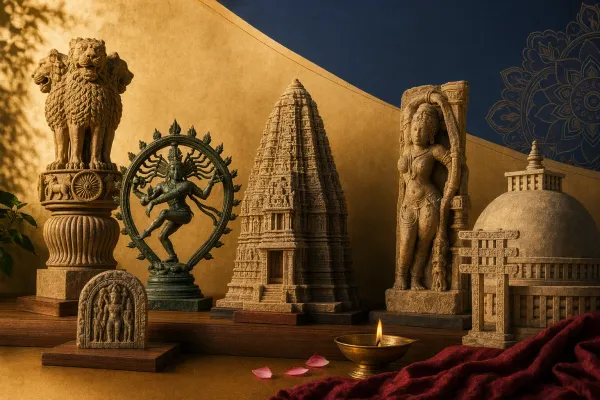
A beginner-friendly guide to famous Indian sculptures, from Ashoka’s lion capital to Chola bronze and Ellora’s Kailasa temple.
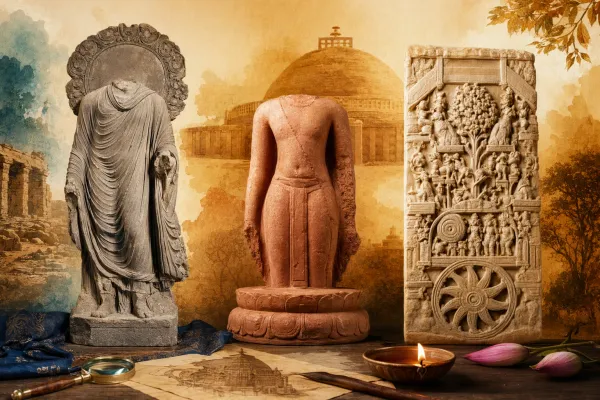
Gandhara, Mathura, and Amaravati are three important early sculpture styles often used to explain Indian art history.
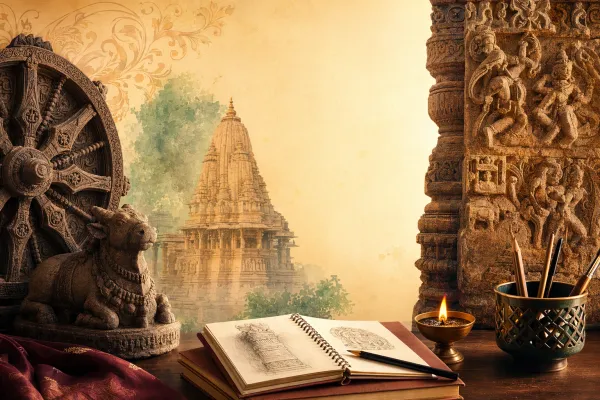
A student-friendly overview of Indian sculpture for Class 11 learners, with simple notes on materials, periods, examples, symbols, cave art and exam-safe revision.
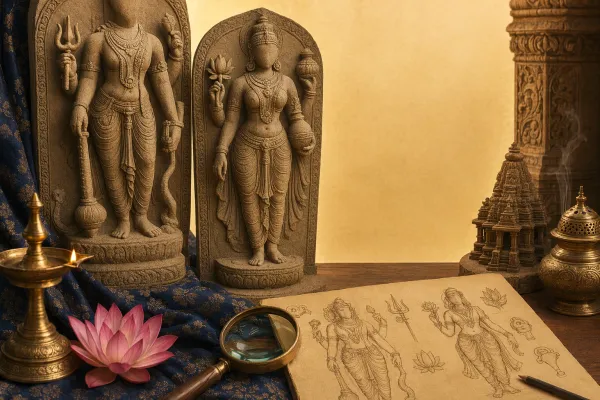
A respectful guide to reading Indian god and goddess sculptures through symbols, posture, vehicles, weapons, hand gestures, sacred context and regional variation.
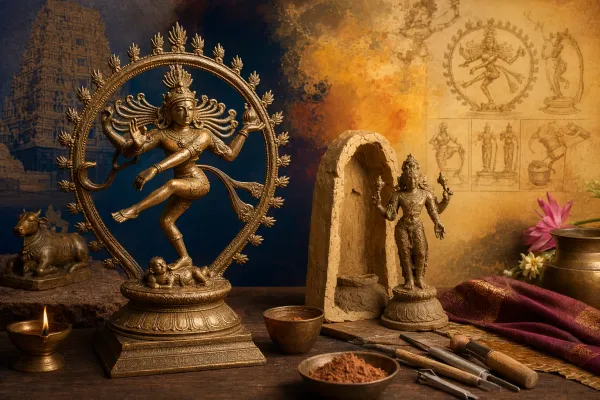
A beginner guide to Indian bronze sculpture, Chola bronzes, Nataraja, lost-wax casting, sacred presence and why these works matter beyond museum labels.
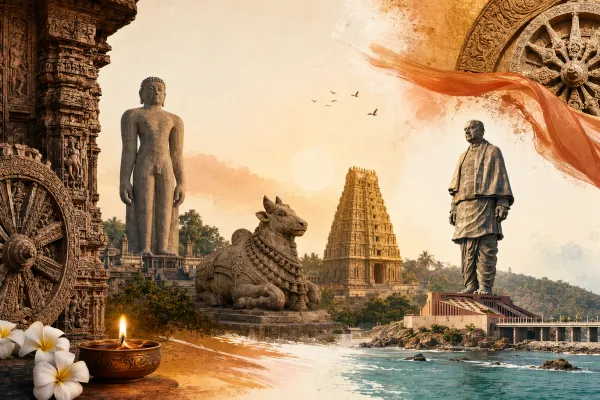
A careful beginner guide to India’s biggest statues and sculptures: what counts as biggest, why scale matters, and why height is not the only measure of meaning.
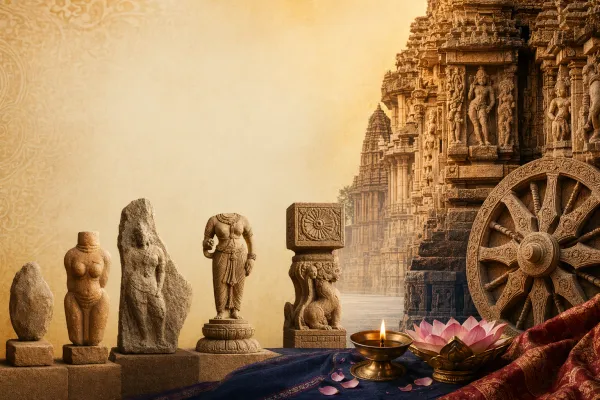
A simple history of ancient Indian sculpture, from early figures and stupa art to cave, temple, Buddhist, Jain and Hindu sculptural traditions.
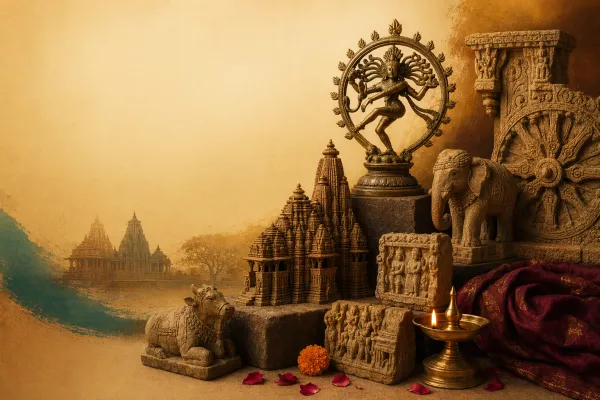
A simple beginner guide to Indian sculpture: materials, sacred context, temple art, public monuments, famous examples, and how to read sculptural meaning respectfully.