
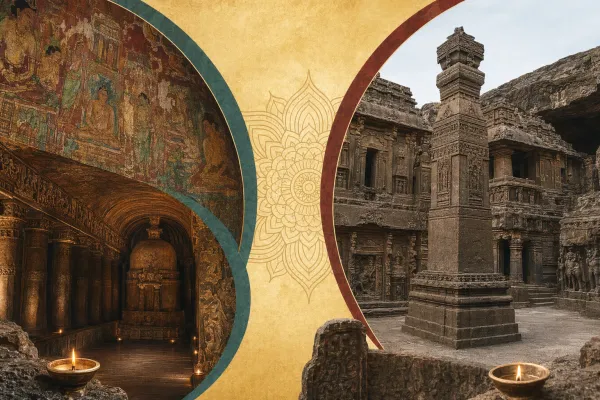
Ajanta vs Ellora: Which Is Older and What Is the Difference?
Ajanta is older in origin and famous for Buddhist paintings; Ellora is later, broader, and known for Buddhist, Hindu, Jain caves and Kailasa Temple.
Ajanta is older in origin and famous for Buddhist paintings; Ellora is later, broader, and known for Buddhist, Hindu, Jain caves and Kailasa Temple.
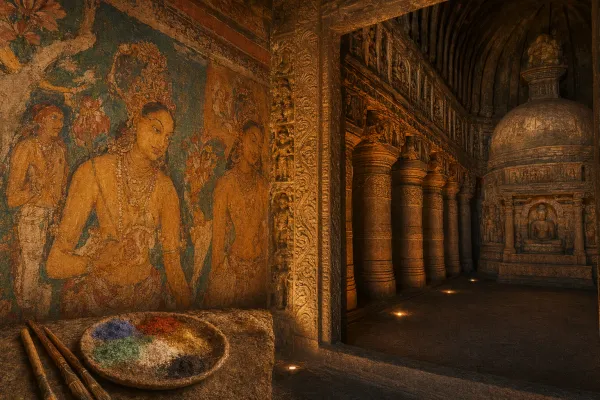
Ajanta is famous for Buddhist cave architecture, rare murals, narrative art, and a long history of devotion, patronage, and rediscovery.
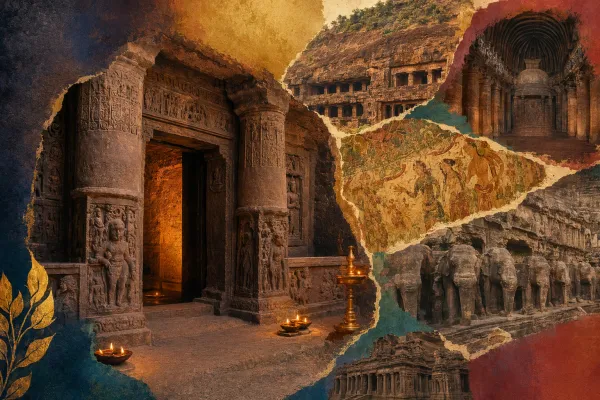
Learn famous cave temples in India through rock-cut architecture, sacred art, history, regional examples and respectful visitor context.
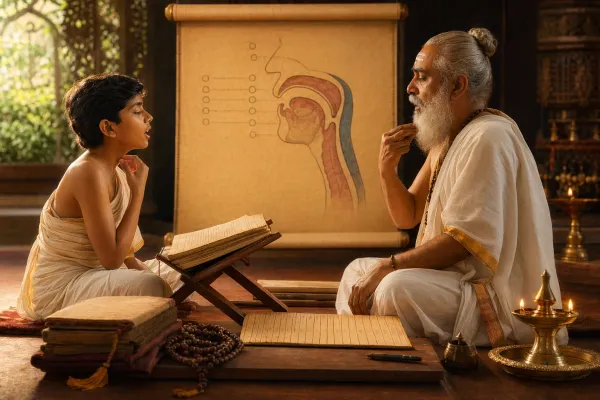
Shiksha is the Vedanga of sound, pronunciation, accent, and careful recitation, helping preserve Vedic chanting across generations.
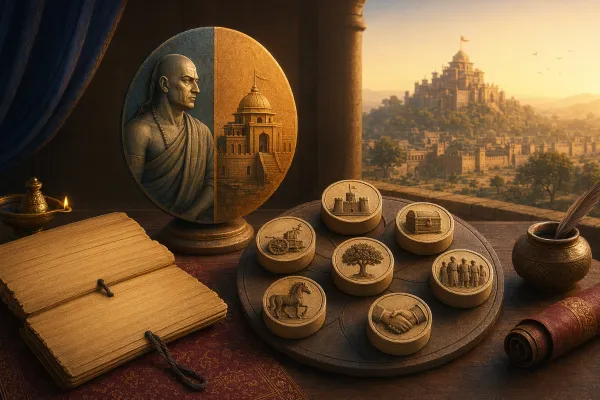
Arthashastra and Chanakya Niti are both linked with Kautilya or Chanakya in popular memory, but they differ in subject, style, scope, and reading purpose.
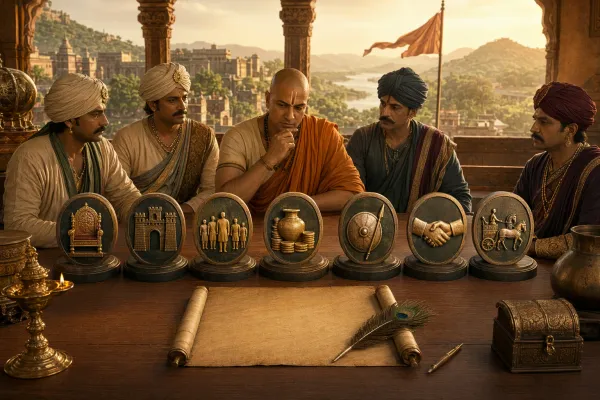
Saptanga theory explains the state as seven connected limbs. This guide breaks down each element and shows why balance matters in Arthashastra.
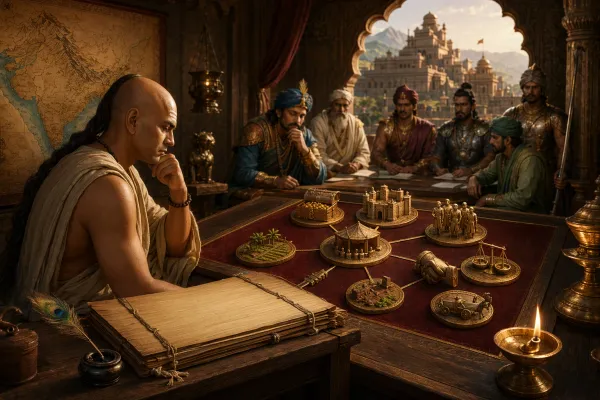
Kautilya’s governance ideas are practical and strict: leadership needs discipline, capable advisers, supervision, fair revenue, corruption checks, and concern for public stability.
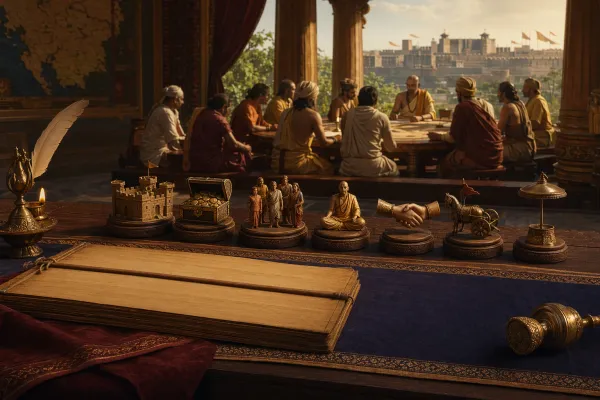
Arthashastra is more than a book about politics. It discusses governance, economy, law, security, diplomacy, welfare, and the practical duties of a ruler.
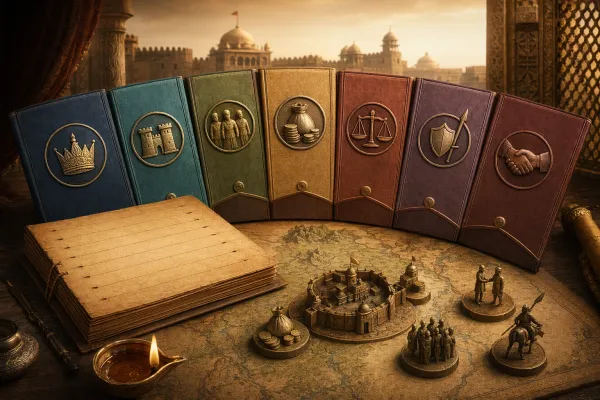
Arthashastra is usually described as having fifteen books. This guide explains its broad structure and how beginners can read the arrangement without getting lost.