
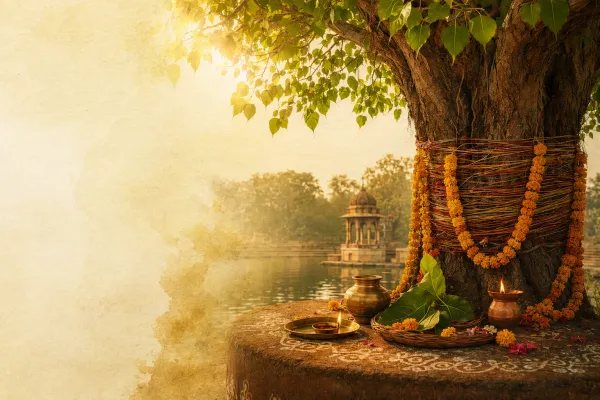
Why Are Trees Sacred in Indian Culture?
Trees became sacred in Indian culture because they protected life, carried stories, supported worship, and taught gratitude toward nature.
Satarupa Banerjee is a passionate blog writer with a keen interest in creating engaging, informative, and reader-friendly content. She specializes in crafting articles that blend creativity with clarity, helping audiences connect with inspirations.
Trees became sacred in Indian culture because they protected life, carried stories, supported worship, and taught gratitude toward nature.
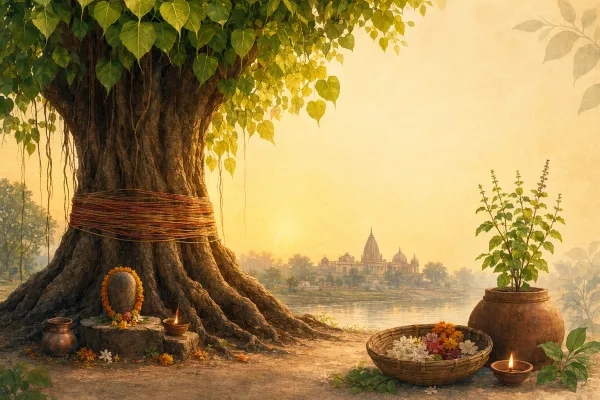
Sacred trees in India are living symbols of shade, care, memory, worship, ecology and community life, not plant-magic or blind superstition.
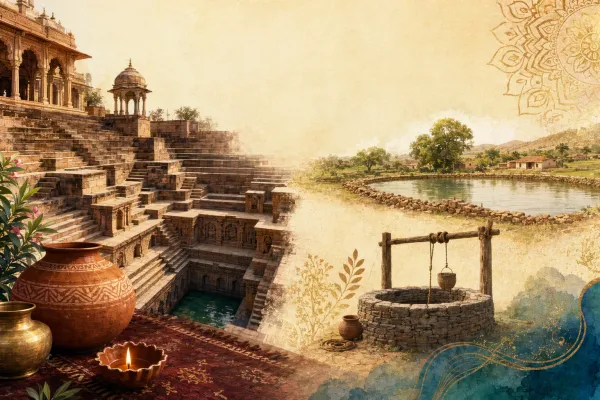
Stepwells, wells, and johads all belong to India’s water heritage, but each solved a different problem of access, storage, or recharge.
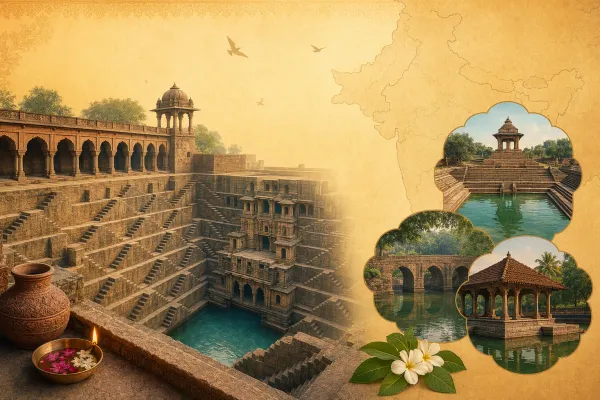
Stepwells are most strongly associated with India, especially western India, but similar stepped water ideas should be compared carefully.
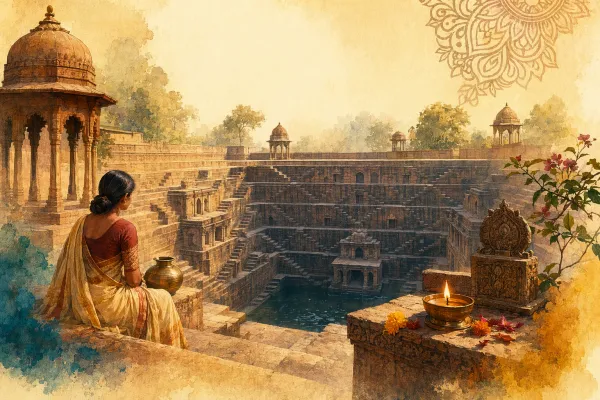
Most famous stepwells are now heritage sites, not everyday water sources, but they still shape tourism, memory, conservation, and water awareness.
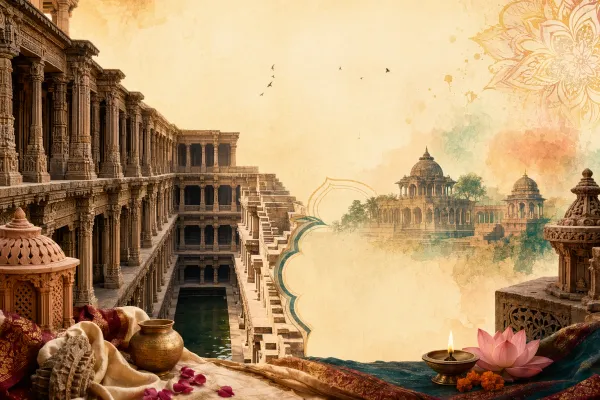
Gujarat’s vavs show how water, architecture, public service, and beauty came together in stone across Patan, Ahmedabad, and beyond.
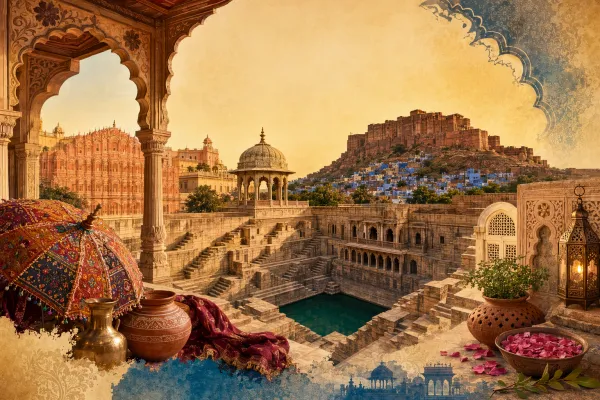
Rajasthan’s baoris show how desert-region communities handled water, heat, travel, shade, and public life with practical stone design.
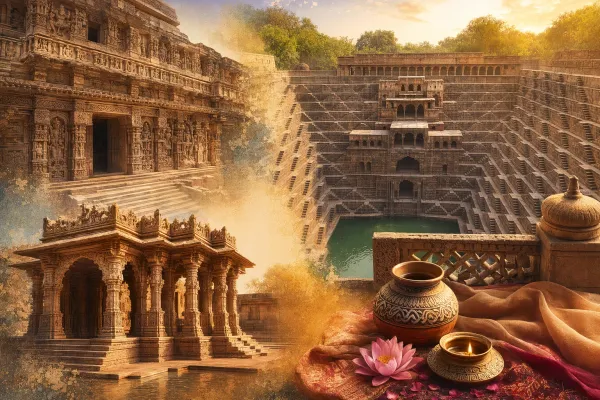
India’s famous stepwells are more than photo spots. Rani ki Vav, Chand Baori, Agrasen ki Baoli, and Adalaj ni Vav reveal water wisdom.
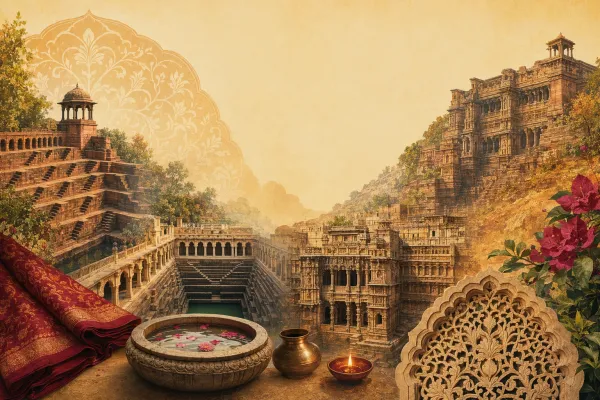
Stepwells have many Indian names, from baoli and baori to vav and vaav. Each name carries a region, language, and water tradition.