

Guru Shishya Parampara in the Indian Knowledge System
Guru Shishya Parampara helped Indian knowledge survive through oral memory, disciplined practice, debate, skill training and living lineages.
Satarupa Banerjee is a passionate blog writer with a keen interest in creating engaging, informative, and reader-friendly content. She specializes in crafting articles that blend creativity with clarity, helping audiences connect with inspirations.
Guru Shishya Parampara helped Indian knowledge survive through oral memory, disciplined practice, debate, skill training and living lineages.

The Guru-Shishya relationship matters because deep learning needs trust, correction, patience and practice, not just information.

Guru Shishya Parampara is India’s teacher-student lineage of learning, practice, trust and responsibility. Here is a simple, grounded explanation.
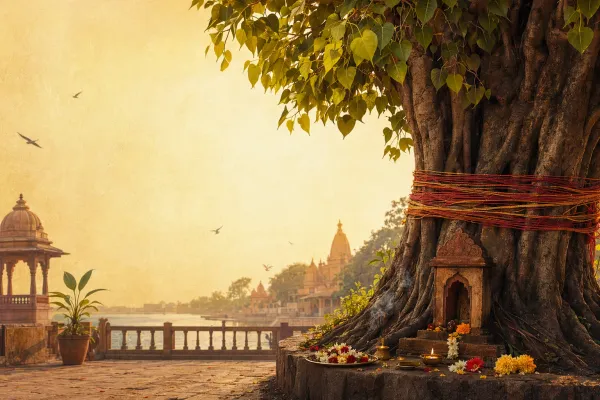
Sacred trees in Indian traditions are living symbols of shelter, wisdom, devotion, protection, abundance and ecological responsibility.
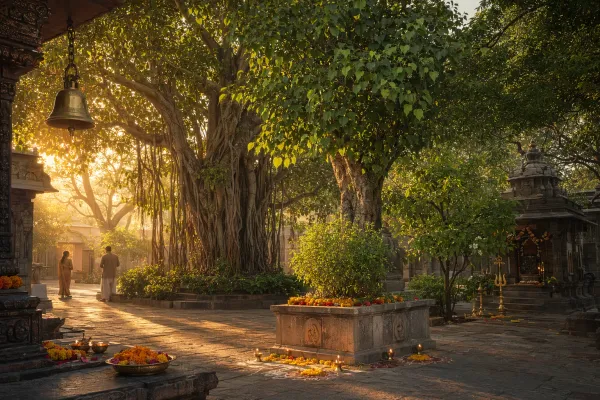
Seven sacred trees is best treated as a learning list, not a fixed national rule. Here is a respectful India-focused explanation.
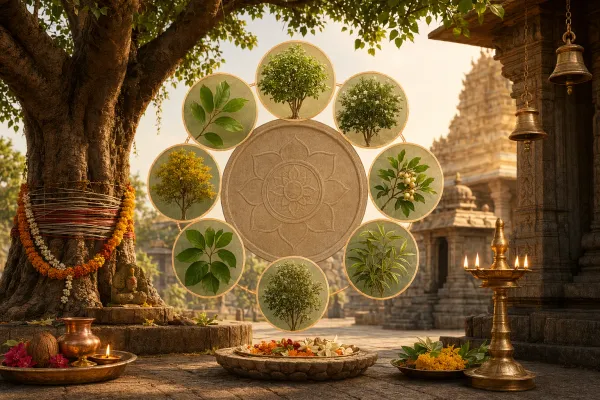
Nine sacred trees usually means Navagraha-linked sacred plants. The exact list varies, so here is a careful cultural explanation.
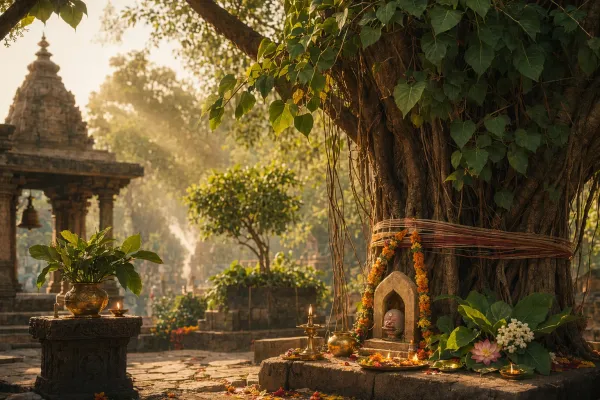
India has many sacred-tree lists. Here is a careful beginner answer to the popular five holy trees question, without forcing one rigid canon.
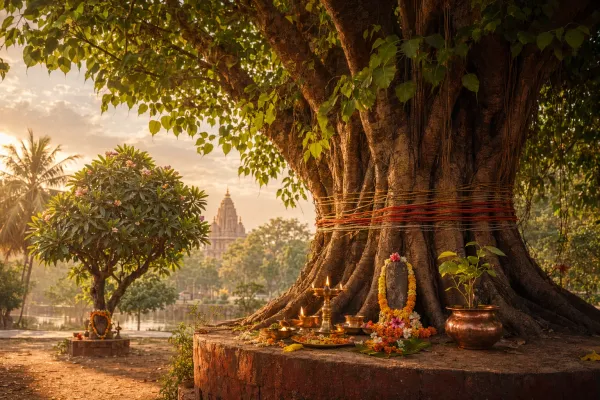
Sacred trees in India are not one fixed list. They vary by region, temple custom and community memory. Here are the most familiar examples and what they mean.
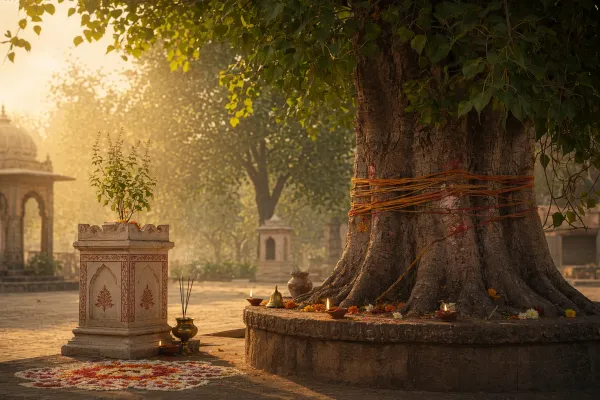
Sacred trees are still visible in India today through tulsi courtyards, peepal platforms, temple trees, village groves and conservation memory.