
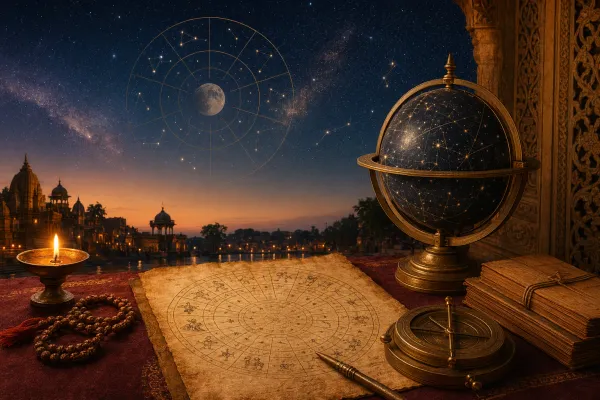
Nakshatras and Stars in Indian Astronomy: Simple Meaning for Beginners
Nakshatras are traditional star-based sky divisions connected with the Moon, calendars, sacred timekeeping, and India’s cultural understanding of the night sky.
Satarupa Banerjee is a passionate blog writer with a keen interest in creating engaging, informative, and reader-friendly content. She specializes in crafting articles that blend creativity with clarity, helping audiences connect with inspirations.
Nakshatras are traditional star-based sky divisions connected with the Moon, calendars, sacred timekeeping, and India’s cultural understanding of the night sky.
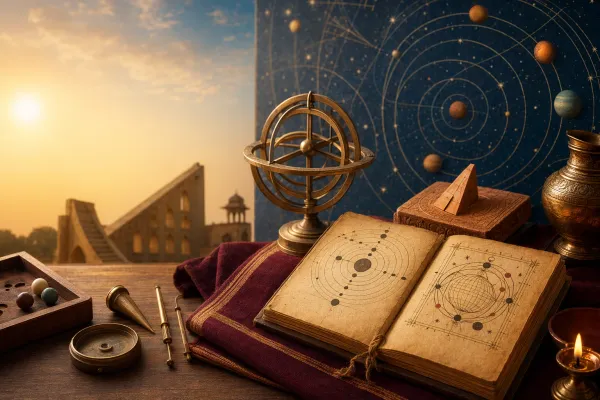
A siddhanta is a systematic astronomical treatise, and the Surya Siddhanta is one of the best-known doorways into classical Indian astronomy.
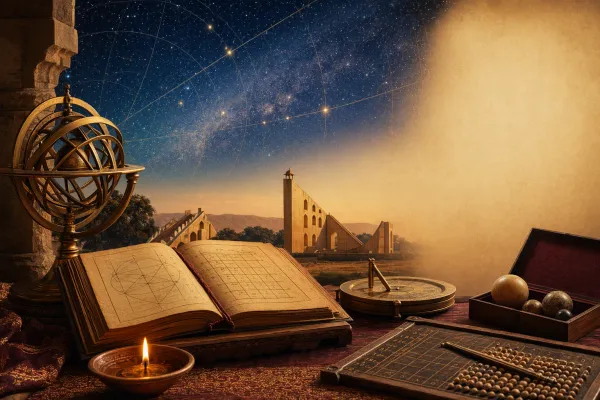
Indian astronomy and mathematics grew together because calendars, planetary positions, eclipses, and timekeeping all required careful calculation.
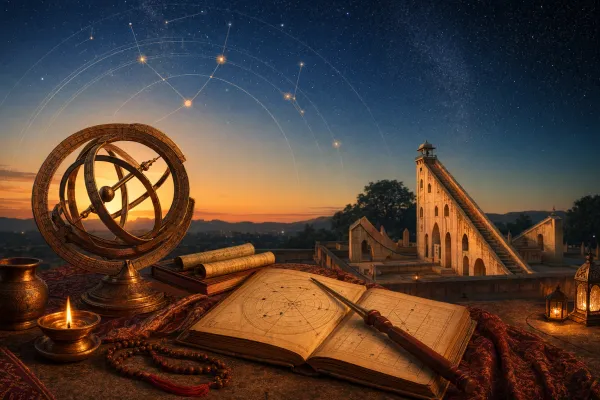
Indian astronomy is the Indian tradition of observing the sky, measuring time, building calendars, and understanding heavenly patterns through mathematics and culture.
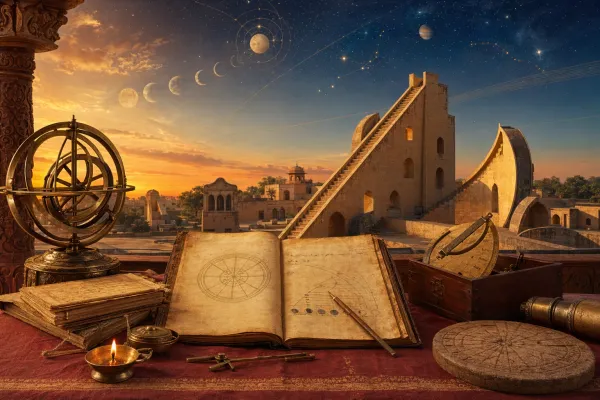
Ancient Indian astronomy contributed to calendars, planetary calculation, eclipse understanding, mathematical thinking, and a long culture of careful sky observation.
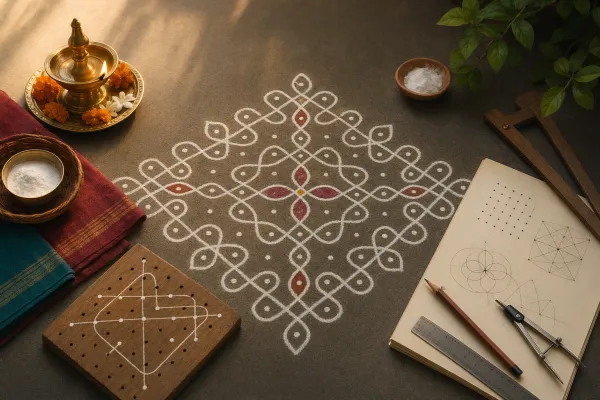
Kolam is not only beautiful; it also teaches patterns, symmetry, grids, loops, repetition, and geometry in a simple visual way for students.
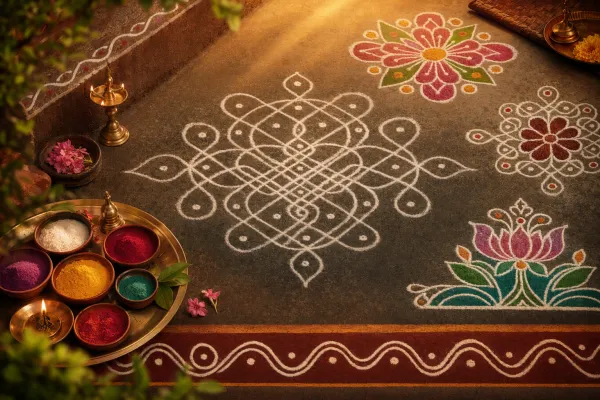
Understand kolam, muggu, muggulu, rangoli, and regional floor-art styles in simple language, with respectful notes on names, places, and traditions.
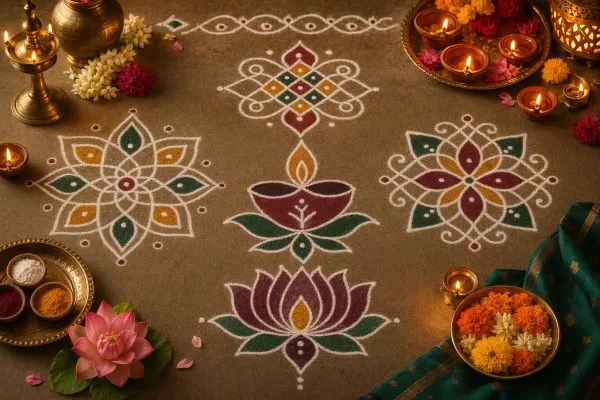
A guide to festival kolam ideas for Deepavali, Karthigai Deepam, Fridays, New Year, and Tamil New Year, with meanings and beginner-friendly tips.
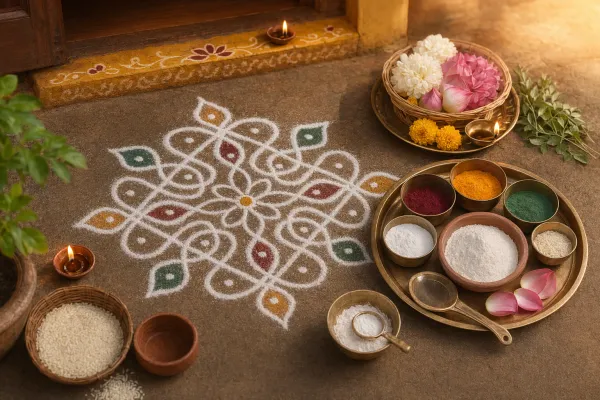
What is kolam made of? Learn about rice flour, white powder, colour powder, flowers, stencils, safety, cleanup, and eco-friendly choices.