Modern Indian Astronomy: Observatories, Institutes, and Space Missions
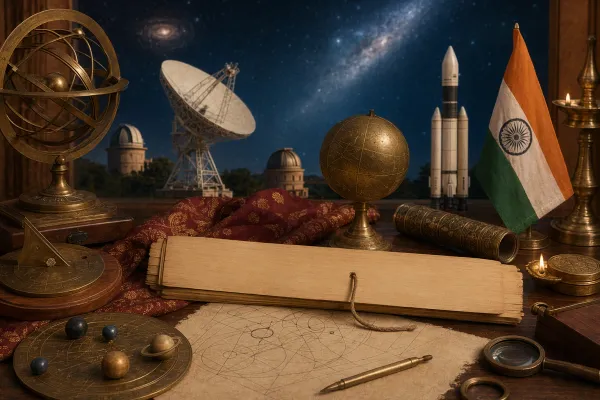
Modern Indian astronomy connects older sky knowledge with observatories, universities, research centres, satellites, and public science learning.
Modern Indian astronomy connects older sky knowledge with observatories, universities, research centres, satellites, and public science learning.
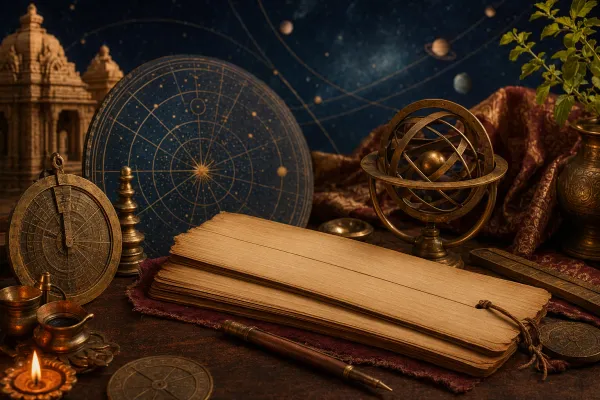
Aryabhata is often named as the father of Indian astronomy, but India’s sky science grew through many scholars, texts, regions, and centuries.
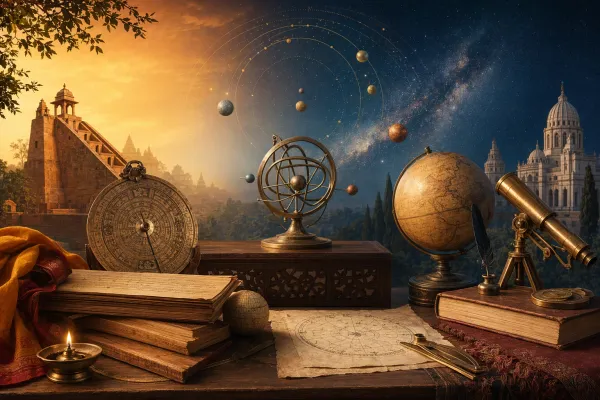
Indian and Western astronomy developed in different cultural settings, yet they also exchanged ideas through Greek, Arab, Persian, and Indian scholarly worlds.
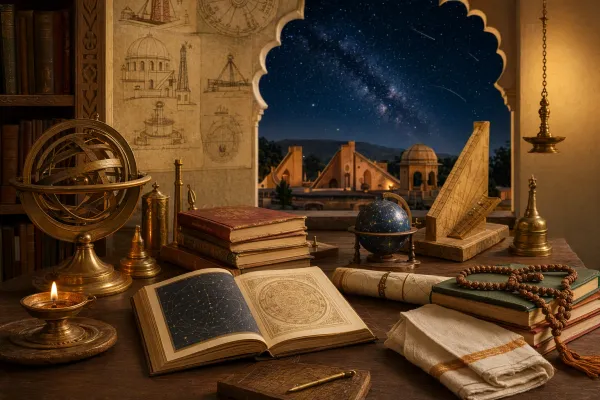
To learn Indian astronomy, begin with sky basics, calendar ideas, history, simple mathematics, reliable books, observatories, clubs, and patient practice.
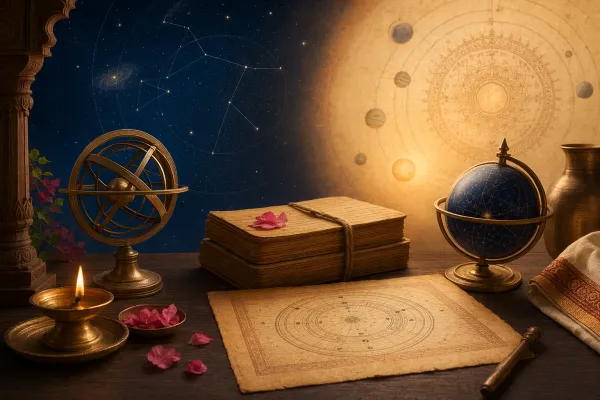
Vedic Jyotisha connects sacred timekeeping, calendar calculation, observation, and later interpretive traditions, so it should be understood with respect and nuance.
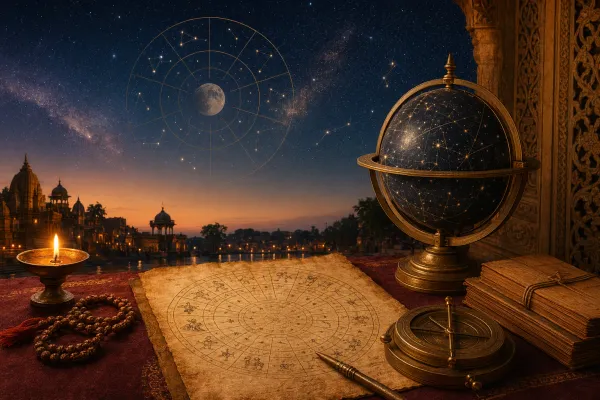
Nakshatras are traditional star-based sky divisions connected with the Moon, calendars, sacred timekeeping, and India’s cultural understanding of the night sky.
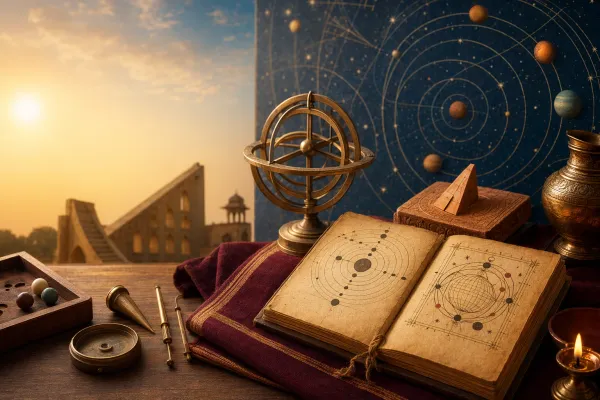
A siddhanta is a systematic astronomical treatise, and the Surya Siddhanta is one of the best-known doorways into classical Indian astronomy.
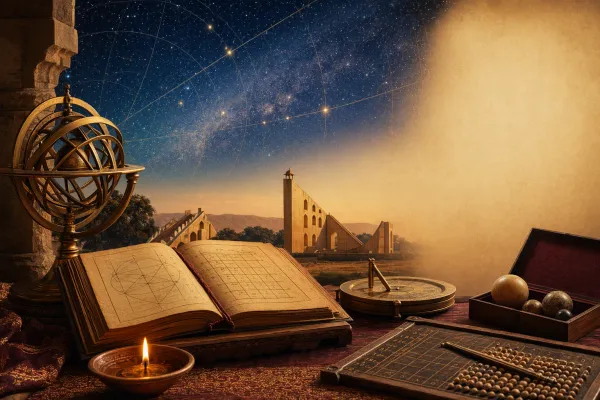
Indian astronomy and mathematics grew together because calendars, planetary positions, eclipses, and timekeeping all required careful calculation.
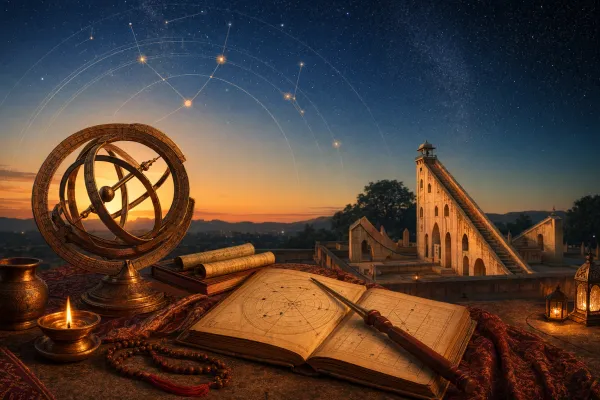
Indian astronomy is the Indian tradition of observing the sky, measuring time, building calendars, and understanding heavenly patterns through mathematics and culture.