Medieval Indian Manuscripts: What They Reveal About Culture, Knowledge, and Daily Life
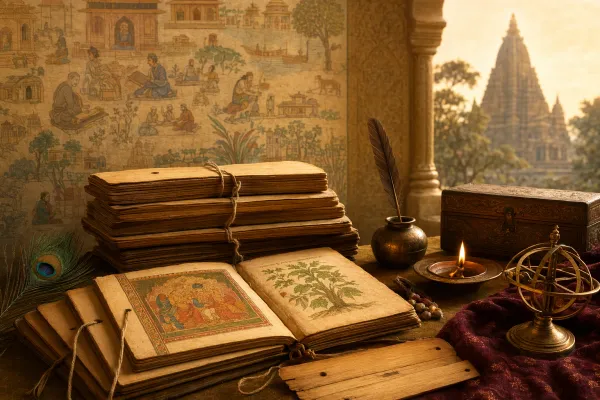
Medieval Indian manuscripts are evidence of learning, devotion, courts, temples, monasteries, medicine, art, and daily life across regions.
Medieval Indian manuscripts are evidence of learning, devotion, courts, temples, monasteries, medicine, art, and daily life across regions.
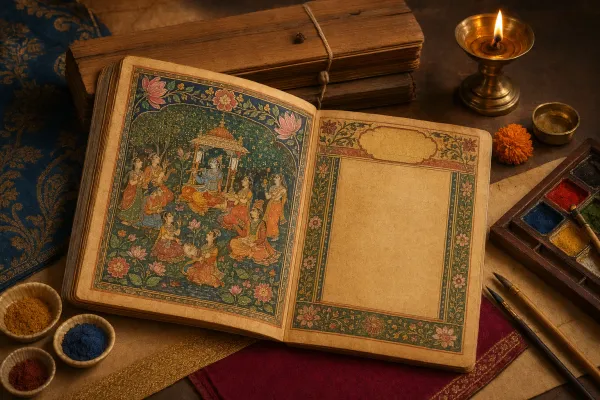
Indian illuminated manuscripts show how image, colour, margin, text, devotion, and storytelling worked together on the handwritten page.

National Mathematics Day in India is observed on 22 December to honour Srinivasa Ramanujan and encourage mathematical curiosity.
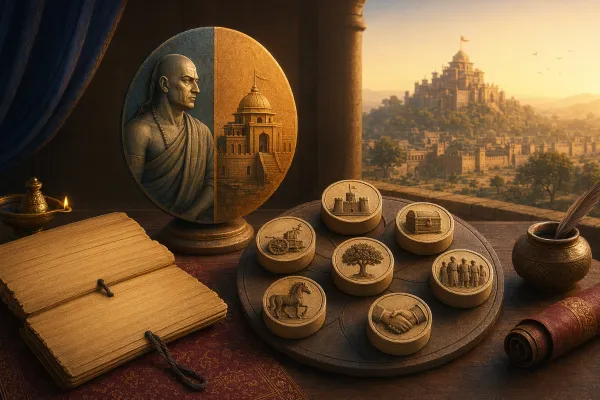
Arthashastra and Chanakya Niti are both linked with Kautilya or Chanakya in popular memory, but they differ in subject, style, scope, and reading purpose.
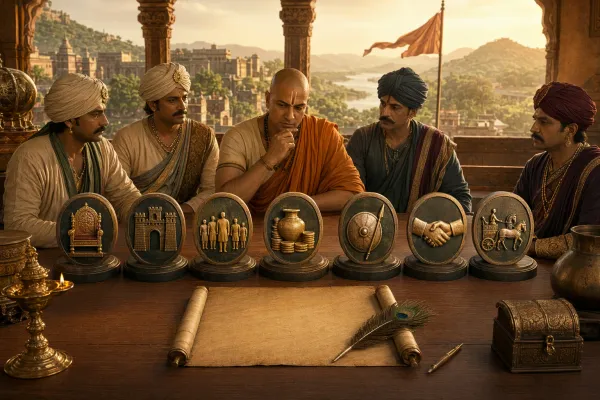
Saptanga theory explains the state as seven connected limbs. This guide breaks down each element and shows why balance matters in Arthashastra.
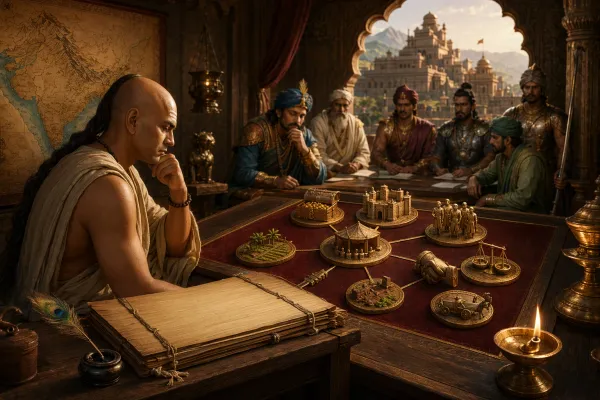
Kautilya’s governance ideas are practical and strict: leadership needs discipline, capable advisers, supervision, fair revenue, corruption checks, and concern for public stability.
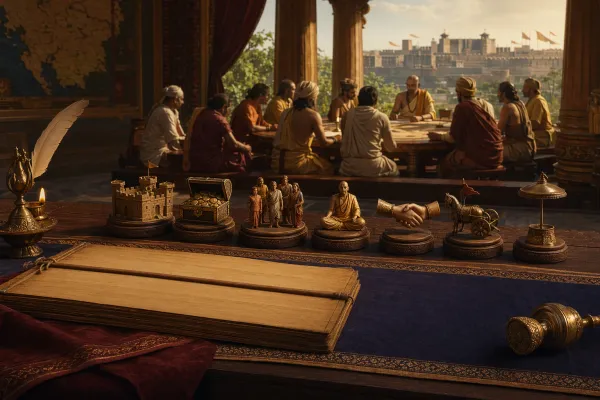
Arthashastra is more than a book about politics. It discusses governance, economy, law, security, diplomacy, welfare, and the practical duties of a ruler.
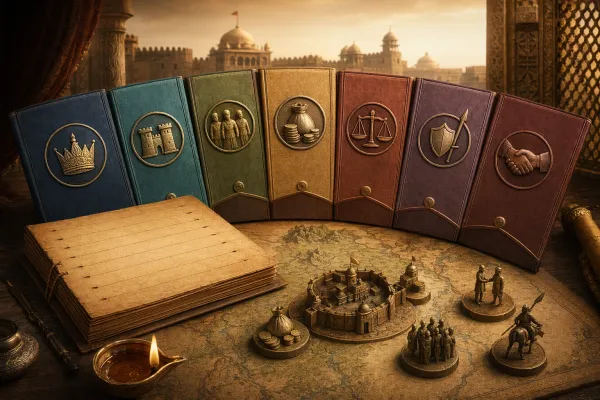
Arthashastra is usually described as having fifteen books. This guide explains its broad structure and how beginners can read the arrangement without getting lost.

Yoga in Hindu philosophy is more than exercise. Karma, bhakti, jnana, raja, and hatha yoga offer different but related paths for inner discipline and liberation.