
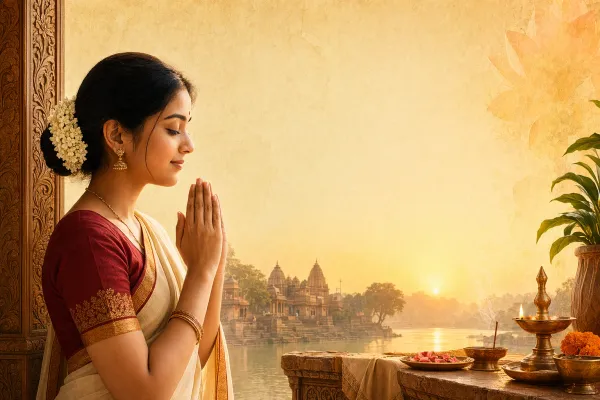
Why Do People Do Namaste with Folded Hands?
People do Namaste with folded hands to show respect, humility, greeting, and a quiet recognition of dignity in the other person.
People do Namaste with folded hands to show respect, humility, greeting, and a quiet recognition of dignity in the other person.
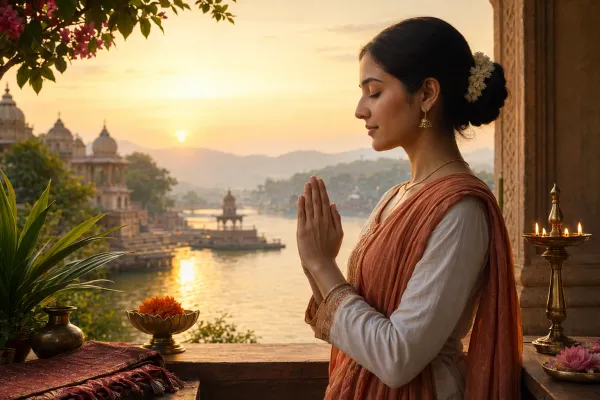
Namaste is more than a polite hello. It can express respect, humility, and recognition of the sacred dignity within another person.
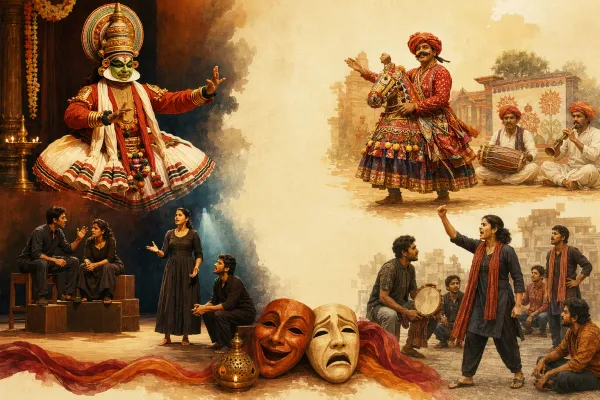
Indian theatre has many types because India has many languages, regions, communities, and performance spaces. Here is a clear beginner map.
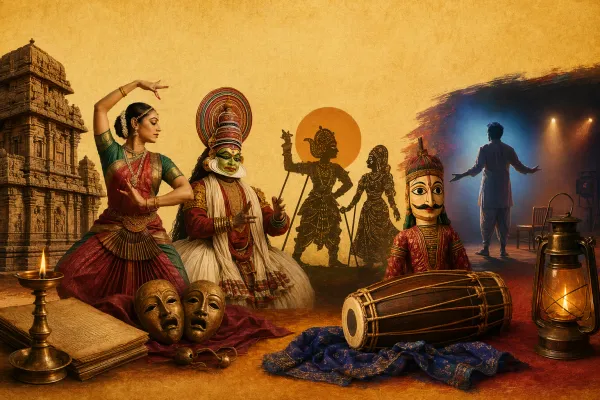
Indian theatre has no single starting line. Its history moves through classical drama, community performance, colonial cities, social reform, and modern experimentation.
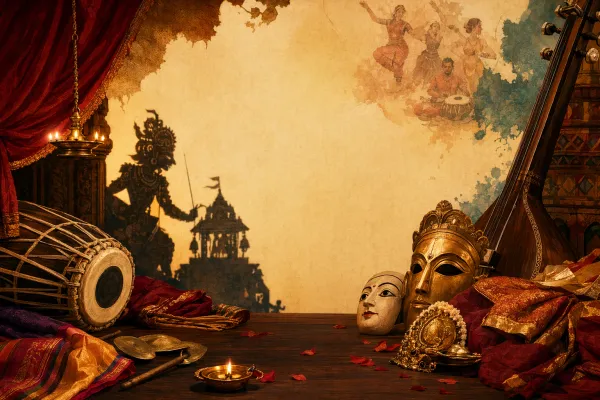
Indian theatre is more than a play on a stage. It is a living mix of story, music, dance, language, costume, devotion, humour, and public conversation.
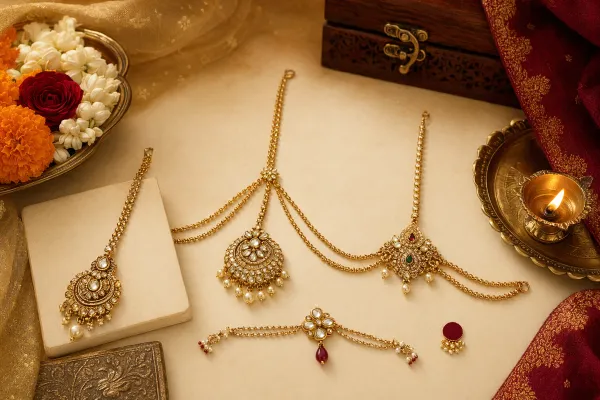
That beautiful ornament on the forehead has many names. Learn the difference between maang tikka, matha patti, passa and related styles.
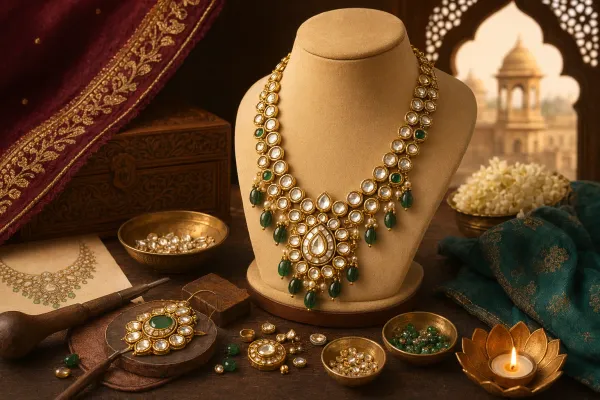
A Kundan necklace is admired for its soft gold setting, gemstone glow, royal history, and wedding presence. Here is the meaning in plain language.
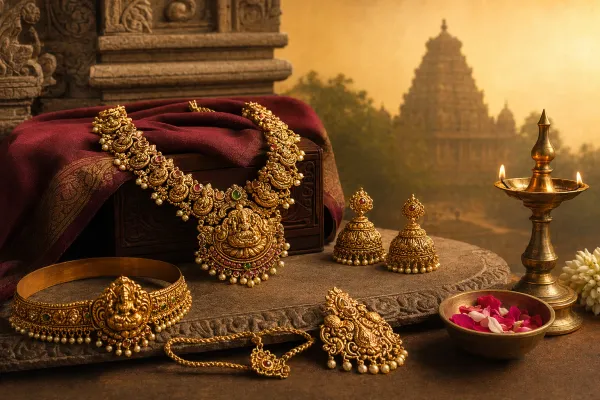
Temple jewellery is more than a heavy gold look. It carries temple imagery, dance history, devotion, craft skill, and regional memory.
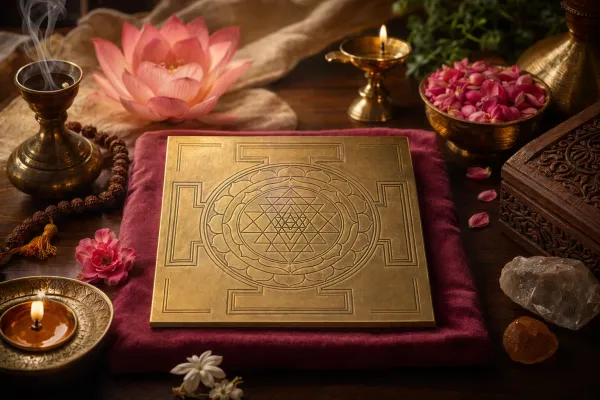
A simple beginner guide to yantra meaning in Hinduism, including sacred geometry, symbolism, devotion, meditation, and respectful use without miracle claims.