
Rare and Valuable Indian Coins: What Makes a Coin Special?
Rare Indian coins are special because of evidence, scarcity, condition, demand and authenticity — not because every old coin is automatically precious.
Rare Indian coins are special because of evidence, scarcity, condition, demand and authenticity — not because every old coin is automatically precious.
To identify old Indian coins, slow down before asking price. Record the date, script, symbols, metal, weight, size, mint mark, condition and source.
Some old Indian coins are valuable, many are common, and age alone is not enough. Learn the safe factors that affect value before selling or buying.
Indian coins have used copper, silver, gold, nickel, steel and many alloys. Metal helps identification, but it should never be judged by colour alone.
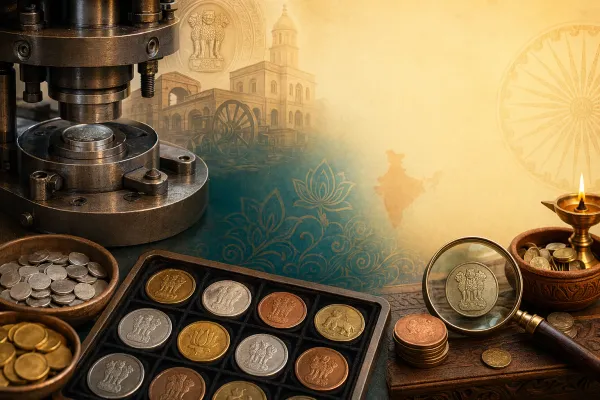
Indian coins are made through authorised minting. Learn how blanks, dies, designs, striking, quality checks and mint marks work in simple language.
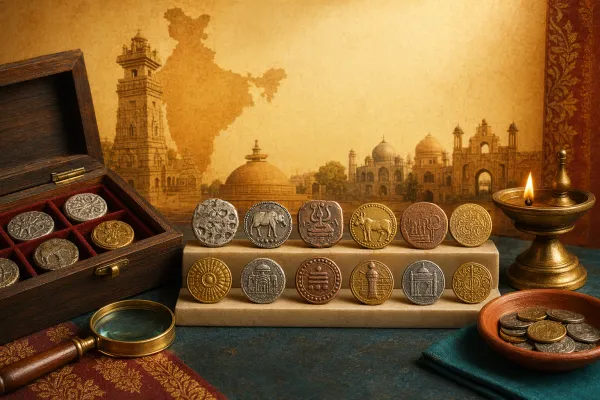
Indian coinage changed with kingdoms, trade, scripts, metals and modern government systems. Here is the major timeline in simple language.
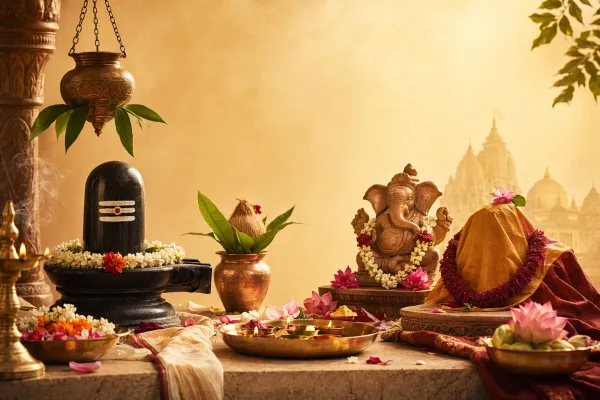
Shivling, Ganesh, and other murti consecrations share the spirit of reverence, but their practices and responsibilities can differ by tradition.
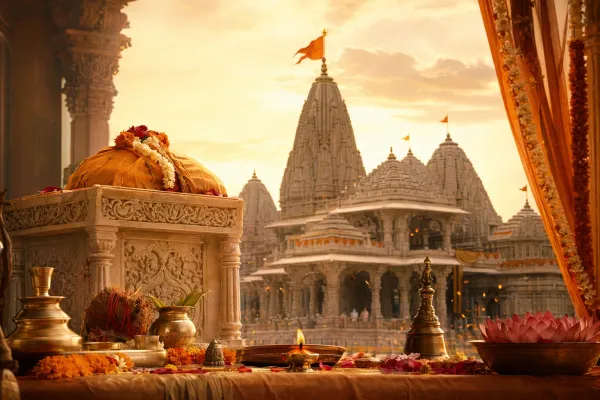
The Ram Mandir Prana Pratishtha drew attention because it joined ritual consecration with devotion to Rama, public memory, temple tradition, and shared darshan.
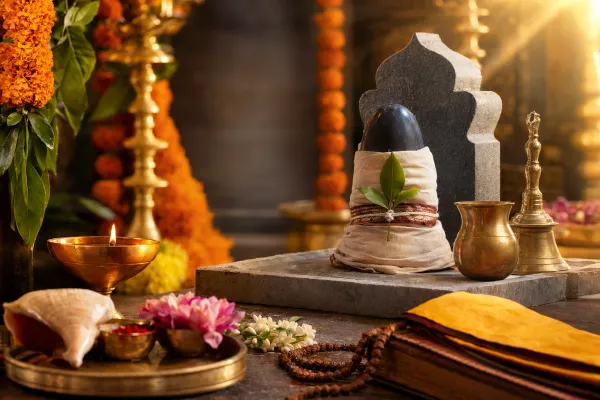
Prana Pratishtha mantras are central to consecration, but they belong within ritual context, tradition, pronunciation, and priestly guidance.