
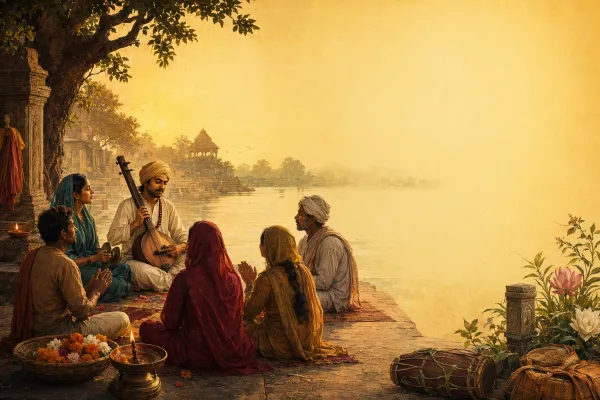
Did the Bhakti Movement Challenge Social Inequality? Caste, Women, and Devotion
The Bhakti Movement often challenged caste pride, gender limits, and social arrogance, but its impact varied by region and community.
The Bhakti Movement often challenged caste pride, gender limits, and social arrogance, but its impact varied by region and community.
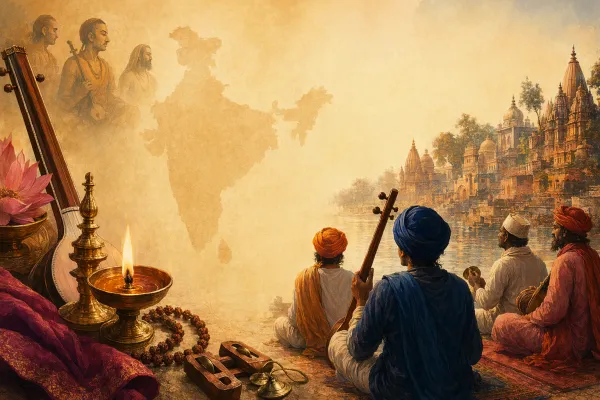
No single person founded the Bhakti Movement across India; it grew through many saints, regions, languages, and devotional communities.

Start with simple overviews, legal books, lectures, music, museums, and respectful community experiences.
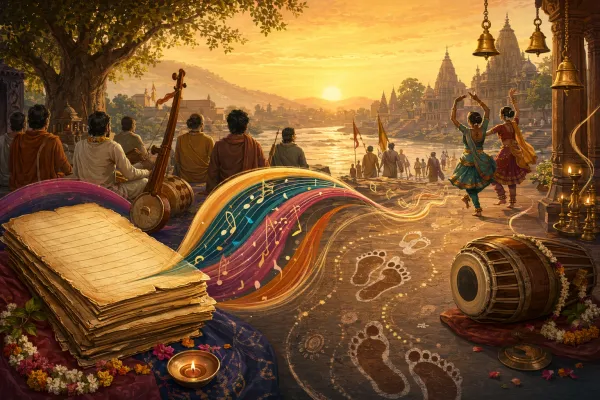
Bhakti shaped Indian culture by turning devotion into poetry, song, storytelling, pilgrimage, and performance.
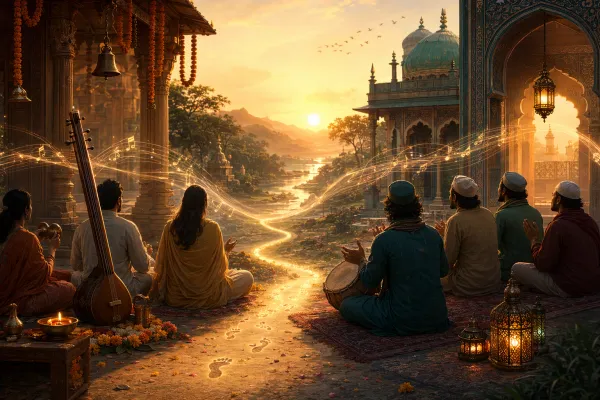
Bhakti and Sufism both emphasized love and inner devotion, but they came from different religious roots and practices.
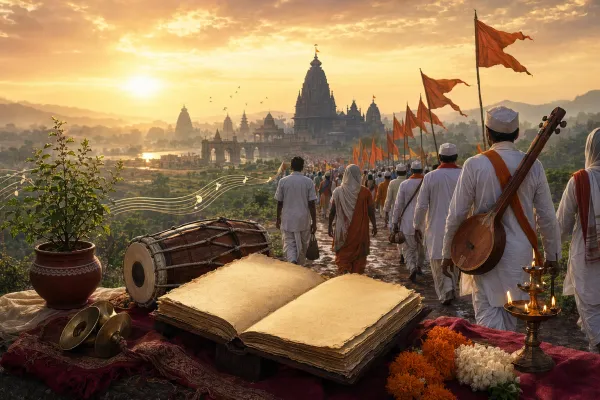
Maharashtra’s bhakti culture is deeply connected with Vithoba, Pandharpur, abhang poetry, kirtan, and Varkari devotion.
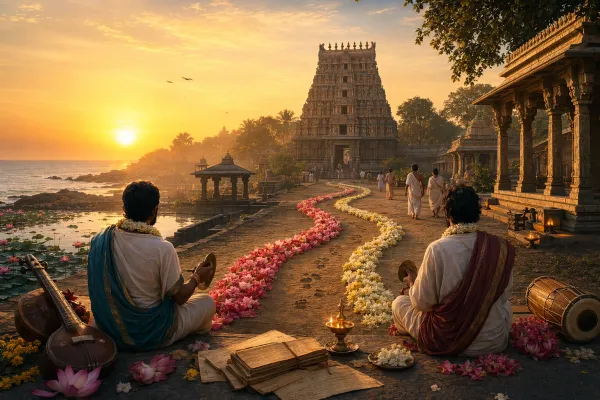
South India gave the Bhakti Movement some of its most powerful early devotional voices through Alvars and Nayanars.
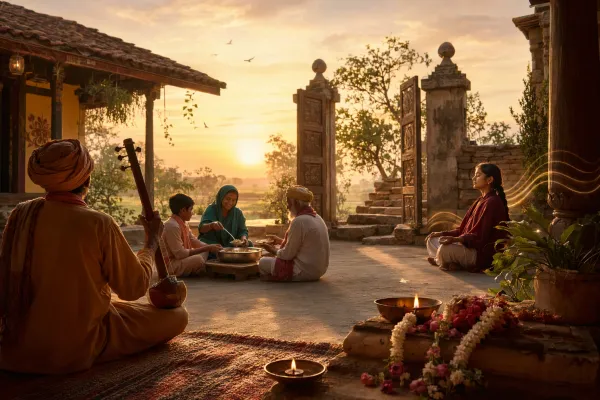
The Bhakti Movement taught that sincere love, remembrance, humility, and devotion can become a path to the Divine.
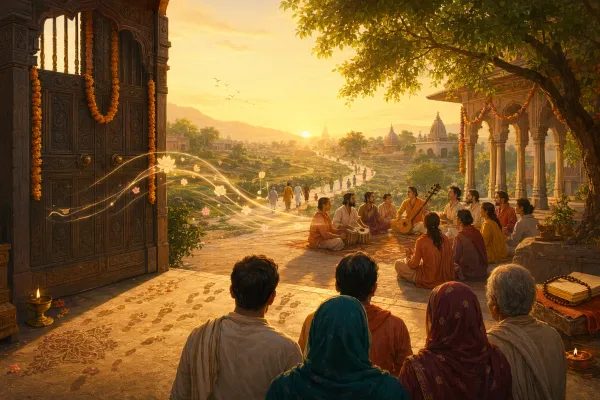
The Bhakti Movement became popular because it made spiritual life feel direct, emotional, musical, and accessible.