
Yoga Paths to Moksha in Hindu Philosophy: Karma, Bhakti, Jnana, and Hatha
Yoga in Hindu philosophy is more than exercise. Karma, bhakti, jnana, raja, and hatha yoga offer different but related paths for inner discipline and liberation.
Yoga in Hindu philosophy is more than exercise. Karma, bhakti, jnana, raja, and hatha yoga offer different but related paths for inner discipline and liberation.
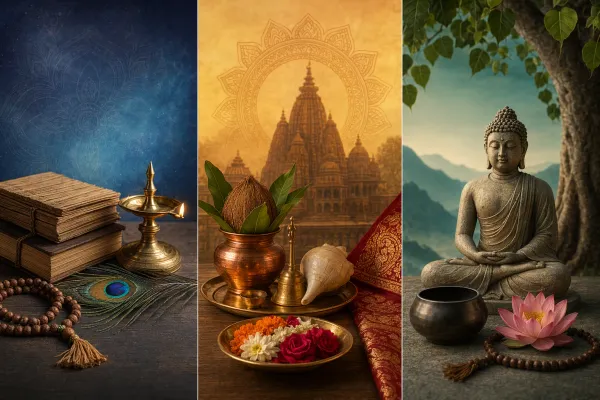
A simple comparison of Hindu philosophy, Hindu religion, and Buddhist philosophy, including similarities, differences, and respectful context.

Maya is often translated as illusion, but the idea is richer than that. Here is a beginner-friendly explanation with practical examples.

A safe beginner guide to Hindu philosophy books, translations, courses, lectures, and legal resources without pirated PDF shortcuts.

The Hindu philosophy of education and society links learning with character, discipline, humility, memory, service, and the responsibility to use knowle…

Vedanta is a major stream of Hindu philosophy that develops ideas from the Upanishads about Brahman, Atman, reality, liberation, and the meaning of life.
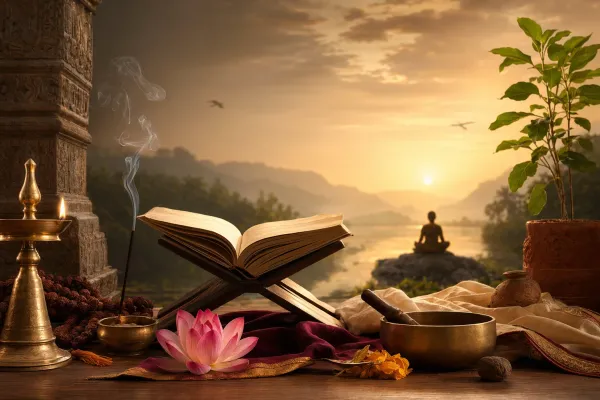
The Hindu philosophy of life, self, and death asks who we are, why life matters, what changes, what continues, and how to live with responsibility.
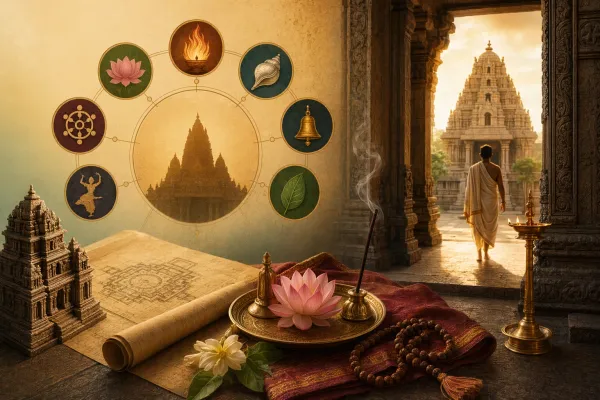
The Hindu temple system connects philosophy with lived experience through sacred space, symbol, ritual, art, sound, community, and darshan.

Brahman, especially in Vedantic thought, means ultimate reality: the deepest truth behind existence, consciousness, and everything that appears changing.