

Sanskrit Pronunciation: Why Every Sound Matters
In Sanskrit, sound is not decoration. Learn why pronunciation matters, what beginners should notice, and how to practise respectfully.
Satarupa Banerjee is a passionate blog writer with a keen interest in creating engaging, informative, and reader-friendly content. She specializes in crafting articles that blend creativity with clarity, helping audiences connect with inspirations.
In Sanskrit, sound is not decoration. Learn why pronunciation matters, what beginners should notice, and how to practise respectfully.
The Sanskrit alphabet looks big at first, but it has a beautiful order. Learn vowels, consonants, Devanagari and pronunciation basics simply.

Want to learn Sanskrit without feeling lost? Start with sounds, simple words, basic grammar, safe dictionary use, and small daily practice.

Sanskrit and Hindi are related, but they are not the same language. Here is the simple difference in history, script, grammar and usage.

Sanskrit is one of India’s most important classical languages. Here is its meaning, origin, cultural role, and why it still matters today.
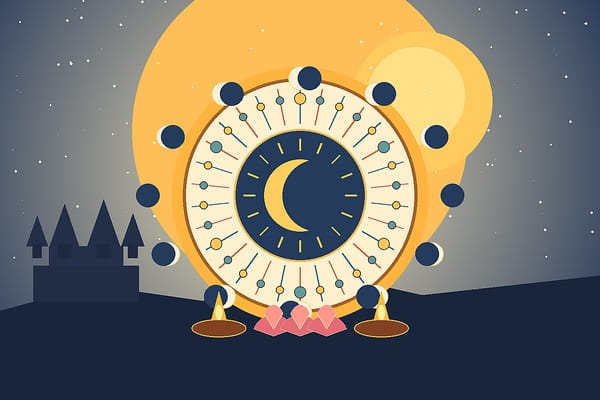
Tithi means a lunar day in the Hindu calendar. Learn how tithi is calculated, why it matters for puja, vrat, festivals, and panchang timing.
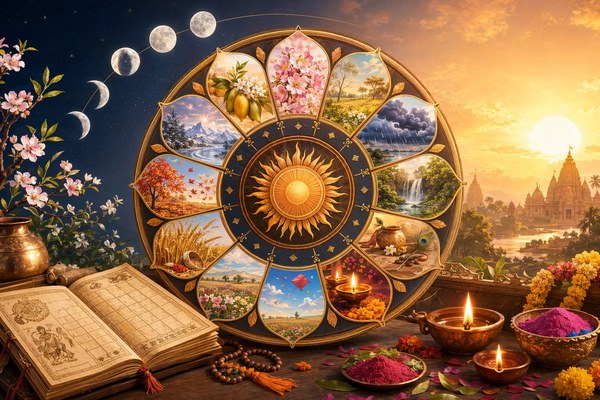
A simple beginner-friendly guide to the 12 Hindu months, from Chaitra to Phalguna, with festival memory hooks and Amanta/Purnimanta basics.
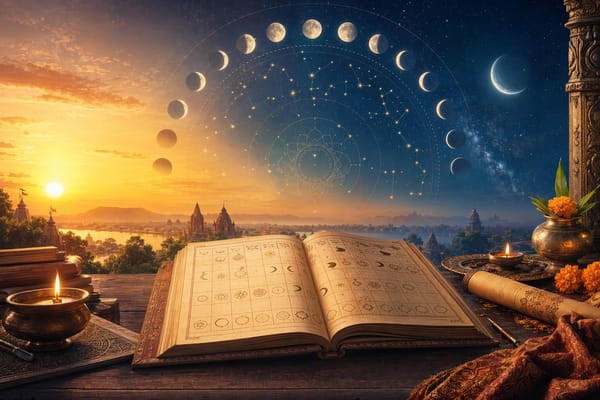
A beginner-friendly guide to the Hindu calendar: tithi, paksha, nakshatra, panchang, month names, Adhik Maas and why festivals move each year.
A simple guide to Vikram Samvat: what it means, why it is usually 56–57 years ahead of the Gregorian calendar, and how it connects to Hindu calendar tradition.