
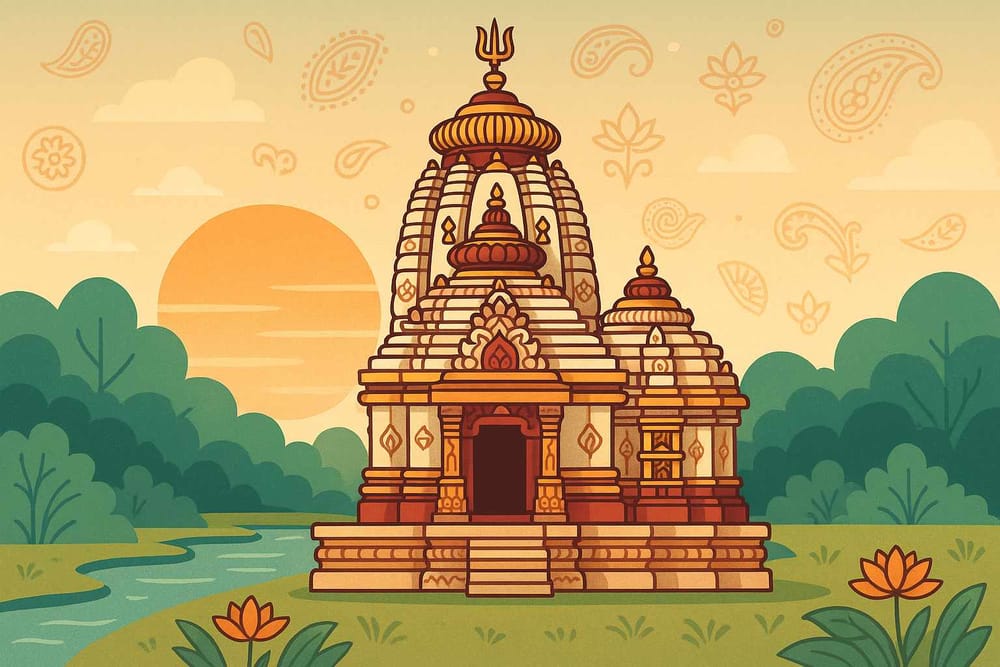
Tirthesvara Siva Temple-Mystique Explored
There are some places in India that don't just exist in brick and stone; they breathe with centuries of faith. Walk through the old lanes of Bhubaneswar, and you'll feel this energy. It’s a city where every corner holds a story, and some stories echo with the divine presence of Lord Shiva. One such profound story is that of the Tirthesvara Siva Temple, a place that feels less like a monument and more like a living, breathing prayer carved in sandstone.
The Legacy Etched in Stone: Uncovering Tirthesvara's Past
When you first lay your eyes on this temple, you are looking at a masterpiece born from the glorious Ganga dynasty, believed to have been constructed around the 14th century. It stands as a proud example of Kalinga architecture, a style that reached its zenith during the preceding Somavamsi era. The temple’s name itself, ‘Tirthesvara’, is so beautiful and meaningful. It translates to the “Lord of the Tirthas” or the Lord of sacred waters, hinting at the belief that the holy waters here possess a power to purify one's soul.
Built with durable sandstone and laterite, the temple has gracefully withstood the passage of time. For centuries, it has been a vibrant centre for community gatherings, sacred rituals, and colourful festivals, deeply weaving itself into the spiritual fabric of Odisha. It’s not just a building; it's a silent witness to the devotion of countless generations who have found peace within its walls.
The Soul of the Temple: Divine Architecture and Spiritual Calm
The architecture of Tirthesvara Mahadev is a spiritual lesson in itself. The temple structure, with its main sanctum (a rekha deul) and an assembly hall (the jagamohana), is a classic representation of Odishan temple design. As you approach the entrance, you are greeted by a beautifully carved Gaja Laxmi on the lintel and the Navagraha (the nine planetary deities) on the architrave, as if they are welcoming you into a celestial realm.
Inside the sanctum sanctorum, the main deity is a sacred Siva Lingam resting within a circular Yonipitha, a powerful symbol of creation and divine energy. The outer walls are adorned with intricate carvings that narrate tales from our epics, each figure telling a story of gods, goddesses, and celestial beings. This amazing craftsmanship does more than just decorate the temple; it fills the air with a truly mystical aura, making it a perfect retreat for anyone seeking a moment of peace and connection with the divine.
A Living Tradition: Festivals, Worship, and Continuing Faith
What makes the Tirthesvara Siva Temple truly special is that it is a ‘living temple,’ where the lamps are still lit, and prayers continue to be offered with unwavering devotion. The air here vibrates with the energy of faith, especially during festivals. Celebrations like Sankranti, Shiva Chaturdashi, and Dahana Chori are observed with immense devotion, drawing devotees from all over.
For those who wish to offer their prayers and perform rituals, the temple’s sacred space is always welcoming. Participating in these age-old traditions can be a deeply moving experience. To bring a part of this sacredness into your own life, creating a small prayer space at home with authentic items can be very fulfilling. At Bhaktilipi, we understand this sentiment and offer a carefully chosen collection of puja essentials, from pure idols to sacred threads, to help you honour your traditions with love and respect. Explore our collection of authentic ritual items to enrich your spiritual practice.
Planning Your Visit: A Simple Guide for Devotees and Explorers
If you feel called to experience this spiritual haven, you'll be glad to know it's easily accessible. The temple is located on Talabazar Road in the Old Town area of Bhubaneswar, the capital of Odisha. This part of the city is a treasure trove of ancient temples and rich culture.
The temple is open to everyone, whether you are a tourist eager to explore its historical significance or a devotee seeking Lord Shiva's blessings. While the divine energy can be felt year-round, many find the winter months, from October to February, to be the most pleasant time for a visit. The weather is cool and comfortable, allowing you to explore the temple’s intricate details at your own pace. To truly appreciate what you are seeing, you might want to read more about its history and architecture before you go.
A Timeless Connection with the Divine
The Tirthesvara Siva Temple is more than just a destination; it's a journey back in time and a connection to our spiritual roots. Its ancient stones, detailed carvings, and serene atmosphere create a space where history and devotion merge beautifully. A visit here is an opportunity to quiet your mind, connect with the divine, and feel the powerful legacy of faith that has been passed down through generations. It’s a timeless experience that truly touches the heart and soul.
A passionate group of people dedicated to preserving India's knowledge of Dharma, Karma, and Bhakti for ourselves and the world 🙏.