
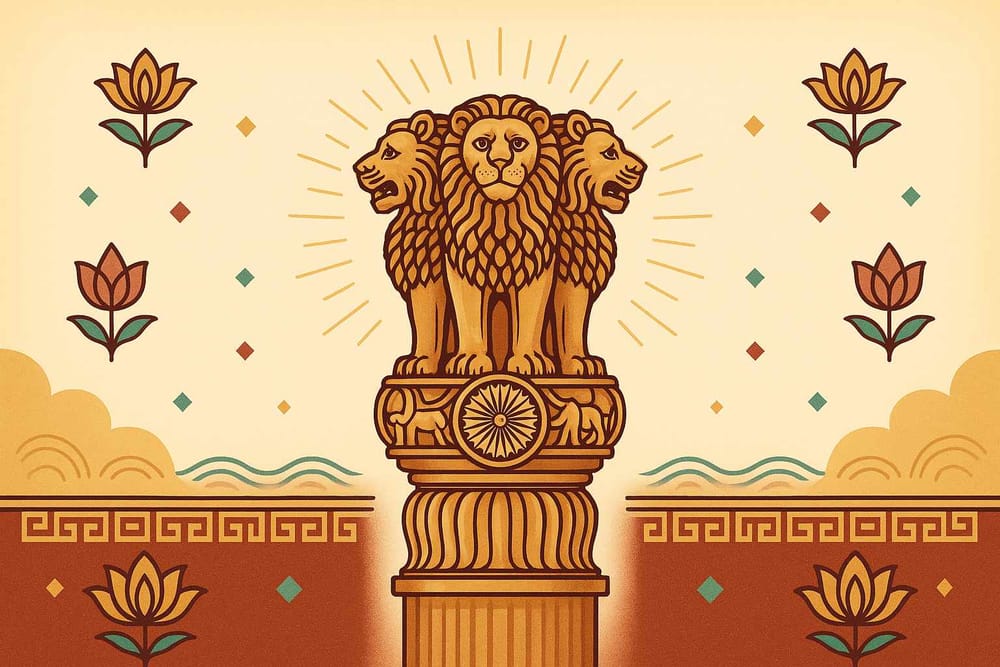
The Legacy of the Lion Capital of Ashoka- India's Heritage Defined
Have you ever held a coin in your hand, or glanced at a government document, and felt a quiet sense of pride looking at the four lions standing back-to-back? That symbol, so familiar and powerful, is the Lion Capital of Ashoka. It’s more than just an image; it’s a whisper from our past, a story of a great emperor's transformation, and a promise for our nation's future. It’s a piece of our collective soul, carved in stone, representing the very heart of our Indian identity.
A Journey Back in Time: The Birth of a Mighty Symbol
Let's travel back to around 250 BCE, to the era of the great Mauryan Empire. Emperor Ashoka, a ruler known for his fierce conquests, had a profound change of heart after the devastating Kalinga war. The victory felt hollow, and he turned towards the path of peace, embracing Buddhism. He decided to rule not by the sword, but by Dharma (moral law). To spread this message of peace, tolerance, and justice across his vast empire, he erected magnificent pillars, and on top of one, at a very special place, he placed the Lion Capital.
This pillar was placed in Sarnath, the sacred ground where Lord Buddha gave his first sermon after attaining enlightenment. It wasn't just a political statement; it was a deeply spiritual one. These pillars, with their inscriptions in the common person's language, were Ashoka's way of speaking directly to his people, guiding them towards a life of kindness and righteousness. The sheer skill of the Mauryan artisans, who polished sandstone to a mirror-like finish, still leaves us in awe today.
More Than Stone: Decoding the Deep Symbolism
The Lion Capital is a masterpiece of art and philosophy, where every single element tells a story. It’s a sermon in stone, echoing the core tenets of Indian spiritual thought.
- The Four Majestic Lions: Seated back-to-back, these four lions are not roaring in aggression but are depicted with a calm, dignified power. They face the four cardinal directions, symbolizing the spread of Buddha's teachings—the Dharma—fearlessly across the world. They represent courage, confidence, strength, and pride, the qualities needed to walk the path of truth.
- The Abacus and the Dharma Chakra: Below the lions rests a circular drum, or abacus, which is just as significant. It features the powerful Dharma Chakra (the Wheel of Law) in the center, a symbol so important it now graces the center of our national flag. Between the wheels are four animals: a galloping horse, a strong bull, a majestic elephant, and a lion. These animals are believed to represent different stages of Lord Buddha's life or the endless cycle of life itself.
- The Bell-Shaped Lotus: The entire structure rests on an inverted lotus flower. In our culture, the lotus is a profound symbol of purity and enlightenment. It grows in muddy waters but rises above them, beautiful and untouched. This signifies the potential for spiritual purity and perfection, no matter one's circumstances.
To truly understand the layers of meaning, one must look at the symbolism and significance of the Lion Capital as a complete narrative of spiritual victory.
From an Ancient Pillar to the Heart of a Modern Nation
On January 26, 1950, as India proudly declared itself a sovereign republic, it chose this ancient symbol as its National Emblem. This was a profound decision. Our founding fathers looked back into our rich virasat (heritage) and chose a symbol that stood for peace, unity, and moral governance—the very ideals our new nation was built upon. The motto inscribed below it in Devanagari script, "Satyameva Jayate" (Truth Alone Triumphs), further solidifies this commitment.
Today, this emblem is an inseparable part of our identity. It’s on our passports, our currency, and the official seals of our government. It’s a constant, silent reminder of the high ideals we strive for as a nation—justice, liberty, equality, and fraternity.
Unraveling Your Curiosities about Our National Pride
Many of us have questions about this iconic symbol, so let’s explore some of them together. At its heart, the Lion Capital of Ashoka is the magnificent sculpture that originally sat atop the Ashoka Pillar in Sarnath. It stands as a testament to Emperor Ashoka's vision for a just and peaceful society, deeply influenced by Buddhist principles.
If you wish to see this incredible piece of history with your own eyes, the original Lion Capital is carefully preserved and displayed at the Sarnath Museum near Varanasi, Uttar Pradesh. Its presence in a museum allows us to appreciate its intricate craftsmanship up close while protecting it for future generations.
Its significance goes far beyond its artistic beauty. The Lion Capital is a powerful symbol of our nation's commitment to peace and dharma. The four lions represent the universal spread of these ideals, while the other animals carved on the abacus—the horse, bull, elephant, and another lion—are deeply linked to Buddhist teachings and the cycle of life. For a deeper dive into its origins, you can explore the complete history and significance of the Lion Capital of Ashoka.
Its place on our currency and official documents is a daily affirmation of our sovereignty and our connection to a legacy of truth and courage. It reminds us that our modern republic is built on timeless values that have been cherished on this land for millennia. The material itself, a single block of polished sandstone, speaks volumes about the incredible skill of Mauryan artisans who created this enduring legacy.
A Legacy That Continues to Inspire
The Lion Capital of Ashoka is not just a relic of the past; it is a living symbol. It’s a bridge connecting Ashoka's ancient vision of a harmonious empire with our modern aspirations for a just and compassionate society. It is a symbol of strength that comes not from aggression, but from righteousness. It teaches us that true power lies in unity, courage, and an unwavering commitment to truth.
At Bhaktilipi, we are deeply moved by such powerful symbols from our culture. Our mission is to preserve and share the timeless devotional literature and stories that form the bedrock of our traditions. We believe that just like the Lion Capital, these stories hold wisdom that can inspire and guide us today.
Join our community in celebrating and safeguarding India's rich spiritual and cultural legacy. Stay connected with us for more insights into our shared heritage.
A passionate group of people dedicated to preserving India's knowledge of Dharma, Karma, and Bhakti for ourselves and the world 🙏.
Comments
Related in
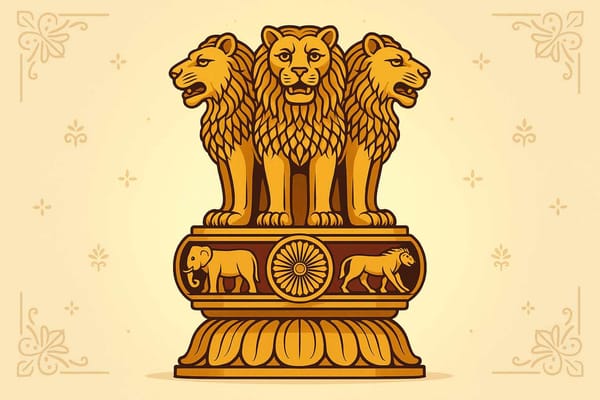
Lion Capital of Ashoka-India's Heritage Explained
Have you ever held a coin in your hand or looked at your passport and truly seen the four lions seated majestically back-to-back? It’s a sight so familiar to us Indians, a part of our daily lives. But this isn't just a design; it's a
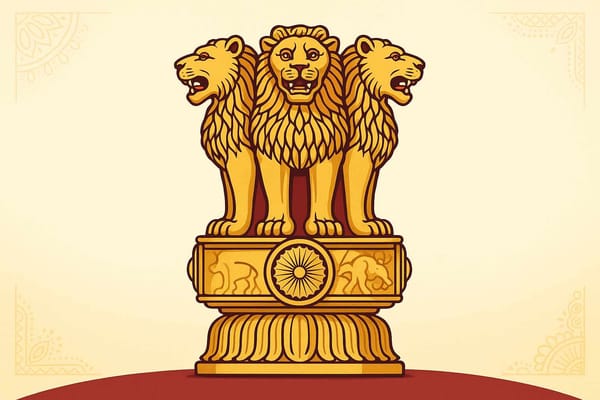
The Historical Significance of the Lion Capital of Ashoka: Understand its Enduring Legacy
There are some symbols that are etched into the very soul of a nation. For us in India, the Lion Capital of Ashoka is one such powerful emblem. We see it on our currency notes, on our passports, and on every official government letterhead. But have you ever paused to
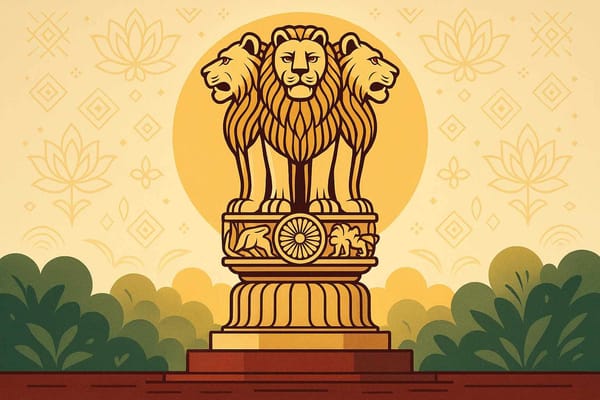
The Significance of the Lion Capital of Ashoka: Explores Indian History
Have you ever paused for a moment, holding a currency note or looking at your passport, and truly looked at the four lions standing so majestically? That symbol, the Lion Capital of Ashoka, is something we see almost every day. But how often do we think about its story? It’