Pemayangtse Monastery's Heritage: A 2025 Guide
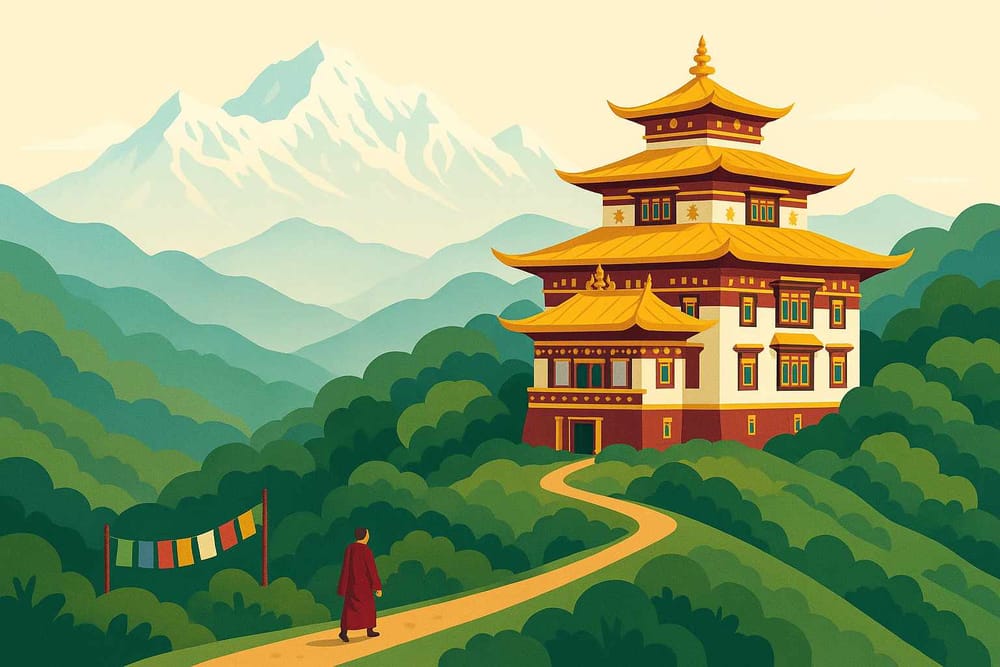
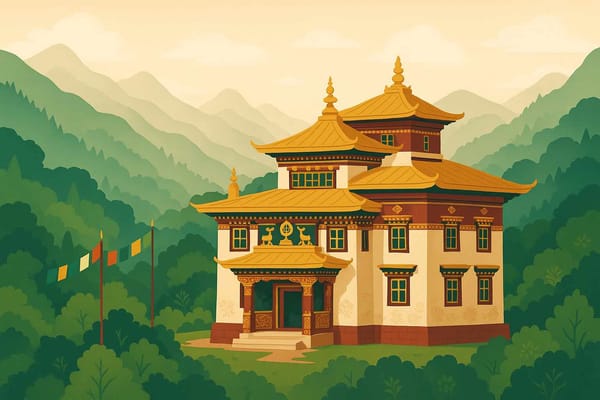
There are some places that you don't just see; you feel them in your soul. Imagine standing in the crisp mountain air of West Sikkim, the colourful prayer flags whispering ancient chants in the wind, and before you, a structure that seems to hold centuries of peace within its wooden walls. This is the feeling that washes over you at Pemayangtse Monastery. It’s not just a destination on a map; it's a journey back in time, a dive into the very heart of Tibetan Buddhism, and a truly soulful experience that I believe everyone should have at least once.
Whispers of History: The Sacred Origins of Pemayangtse
The story of Pemayangtse begins not with bricks and mortar, but with a divine vision. It was founded in 1705 by the revered Lama Lhatsun Chempo, one of the three lamas who played a pivotal role in establishing Buddhism and the royal Chogyal dynasty in Sikkim. The name itself, "Pemayangtse," means "Perfect Sublime Lotus," a beautiful symbol of purity and spiritual awakening. This wasn't just another monastery; it was built with a specific purpose—to house "ta-tshang" or 'pure monks,' who were expected to be celibate and of pure Tibetan lineage, a tradition that speaks volumes about its spiritual discipline.
For generations, this monastery was deeply connected with the royalty of Sikkim. The head lama even had the sacred privilege of anointing the Chogyals (the rulers). It became a sanctuary for the royal family and a guardian of precious, ancient Buddhist scriptures and rituals. This deep connection between faith and governance has made Pemayangtse a resilient symbol of Sikkim's unique cultural identity.
Where Art Breathes: The Architectural Marvels of the Monastery
Stepping into Pemayangtse is like walking into a living masterpiece. The three-storied structure, built primarily of wood, exudes a warmth that stone buildings often lack. Its design is a beautiful blend of Tibetan, Himalayan, and Buddhist architectural styles. The walls are adorned with intricate murals and brightly coloured paintings that narrate tales of deities and Buddhist philosophy. You can spend hours just soaking in the details on the colourfully painted doors and windows.
But the true marvel awaits on the top floor. Here, you will find the 'Sangthokpalri', an astonishing seven-tiered wooden model depicting the heavenly abode of Guru Rinpoche (Guru Padmasambhava). Crafted with unbelievable detail and passion by a single lama over many years, this structure is a testament to unwavering devotion and artistic genius. The main prayer hall, or Dukhang, is equally captivating, with its sacred statues, ancient thangkas (painted scrolls), and the powerful aura of countless prayers recited over centuries.
The dedication to preserving these traditions is truly inspiring. When we seek to bring elements of such sacred art and devotion into our own homes, it's important to find items that carry the same authenticity. For those looking for genuine puja samagri and spiritual artifacts, exploring a trusted space like Bhaktilipi.in can be a wonderful first step. We are dedicated to sharing the timeless devotional literature and stories that form the bedrock of our culture.
Planning Your Pilgrimage: A Practical Guide for 2025
A trip to such a sacred place deserves a little planning to make the experience smooth and meaningful. Here’s some helpful information for your visit in 2025.
- Reaching the Abode of Peace: Pemayangtse Monastery is beautifully perched on a hilltop near Pelling in West Sikkim, about 110 km from Gangtok. The journey is as beautiful as the destination. The nearest airport is Bagdogra (IXB) and the nearest major railway station is New Jalpaiguri (NJP), both in West Bengal. From there, you can hire a cab for a scenic drive through the hills. This journey itself offers glimpses into the region's natural beauty, reminiscent of the unspoiled protected areas of West Bengal.
- The Best Time for a Visit: To see the monastery against a backdrop of clear skies and majestic mountains, plan your trip between March and June during spring, or from September to November in autumn. The weather during these months is pleasant and ideal for exploring.
- Timings and Entry Fee: The monastery is generally open for visitors every day. There is a nominal entry fee of around ₹20 to ₹50 per person, which contributes to the upkeep of this historic site. It's always a good idea to check the latest timings closer to your travel date.
- Sacred Etiquette and Respect: Remember, this is a place of active worship. Dress modestly and maintain a quiet, respectful demeanor. Photography is strictly prohibited inside the main prayer halls to preserve the sanctity and protect the ancient murals from flash damage. Feel free to take pictures of the beautiful exteriors and the stunning surroundings.
Beyond the Monastery Walls: Exploring Nearby Treasures
While you are in the area, don't miss the chance to explore other historical and natural gems. A short walk from the monastery will lead you to the Rabdentse Ruins, the hauntingly beautiful remains of Sikkim's second capital. For more spiritual exploration, you can visit the serene Khecheopalri Lake, considered sacred by both Buddhists and Hindus, or the ancient Sangachoeling Monastery.
Your Questions Answered: Understanding Pemayangtse Better
Many visitors arrive with questions in their hearts about this special place. Here are some insights to help you connect more deeply with its story.
Many wonder about the monastery's deep roots. Pemayangtse Monastery's history is truly fascinating, dating back to 1705. Founded by Lama Lhatsun Chempo, it is not just one of the oldest monasteries in Sikkim but also one of the most prestigious, holding a central place in the region's spiritual history.
Its cultural significance goes far beyond its age. The monastery is a living heart of Sikkim's heritage, serving as a pillar for the Nyingma tradition of Tibetan Buddhism. Its association with Sikkim's royalty and its role in preserving ancient rituals, like the vibrant Chaam dance, make it culturally invaluable.
When you step inside, you might feel overwhelmed by the art. Visitors can expect to be mesmerized by ancient murals, sacred statues, and intricate wooden carvings. The definite highlight is the seven-tiered wooden structure, the 'Sangthokpalri,' a breathtaking representation of Guru Padmasambhava's heavenly palace that you won't see anywhere else.
If you're lucky, your visit might coincide with a festival. The most important festival is the annual Cham dance, held on the 28th and 29th days of the 12th month of the Tibetan lunar calendar, which usually falls in February. During this festival, lamas in colourful masks perform ritualistic dances to drive away evil spirits, a powerful and unforgettable spectacle.
A Journey That Stays With You
A visit to Pemayangtse Monastery is more than just a tick on your travel list. It’s a chance to disconnect from the noise of the world and reconnect with a timeless sense of peace. It's an experience that fills your heart with reverence and your mind with wonder. As you plan your 2025 trip, allow yourself to fully immerse in its sacred atmosphere.
Let this journey be a heartfelt exploration of a tradition that has been preserved with so much love and devotion. May your visit deepen your appreciation for the incredible spiritual heritage of Sikkim and leave you with a sense of calm that lingers long after you've returned home.
To continue exploring India's rich spiritual treasures from the comfort of your home, stay connected with us at Bhaktilipi. Subscribe to our YouTube channel, and follow us on Facebook and Instagram for daily inspiration.
A passionate group of people dedicated to preserving India's knowledge of Dharma, Karma, and Bhakti for ourselves and the world 🙏.
Comments
Related in
Pemayangtse Monastery's Spiritual Essence: A 2025 Guide
There are some places on Earth where the air itself feels different, heavy with prayers whispered over centuries. The moment you step into the vicinity of Pemayangtse Monastery in Sikkim, you feel a profound shift. The chaotic hum of the world fades away, replaced by a serene silence that speaks
Pemayangtse Monastery's Spiritual Essence: A 2025 Guide
Some journeys are not just about reaching a destination; they are about finding a part of yourself you didn't know was missing. My quest for such a place led me to the gentle slopes of West Sikkim, where, nestled amidst the clouds, lies the Pemayangtse Monastery. The name
Pemayangtse Monastery Visitor's Guide: Explore Sikkim's Sacred Site
There are some places that you don't just see with your eyes; you feel them with your entire being. The crisp mountain air fills your lungs, the faint sound of chanting calms your racing thoughts, and the majestic sight of Kanchenjunga in the distance makes you feel incredibly