
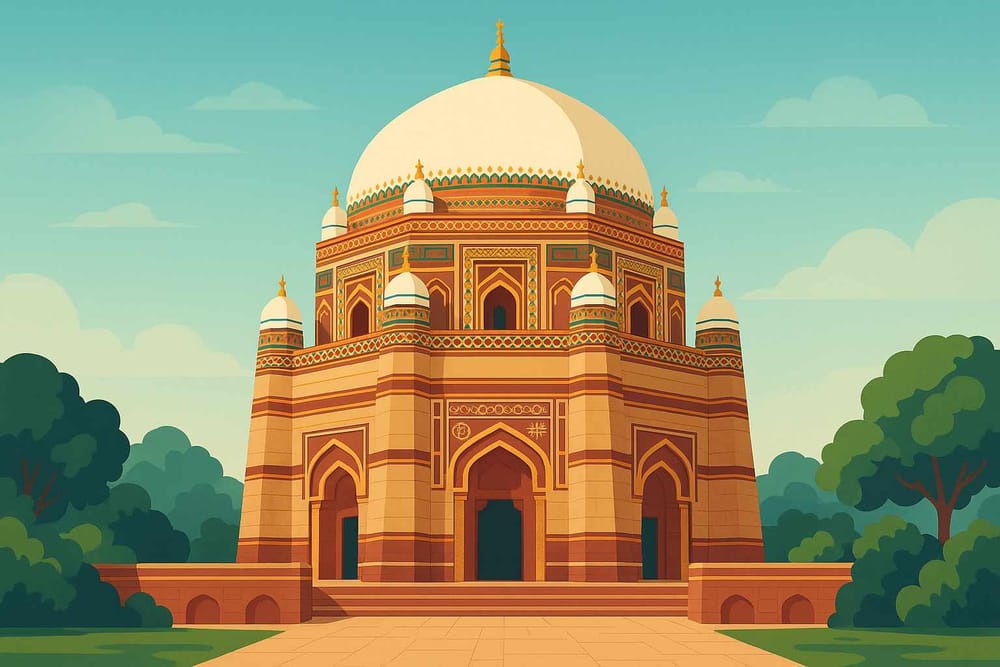
Mystical Tomb of Shah Rukn-e-Alam - History Explores
There are some places in the world where the air itself feels different, heavy with history and whispered prayers. Multan, the legendary 'City of Saints,' is one such place. As you walk its ancient streets, you can almost feel the echoes of centuries of devotion. And at the heart of this spiritual city stands a monument of breathtaking beauty and profound peace: the Mystical Tomb of Shah Rukn-e-Alam.
This isn't just a building; it's a beacon of faith that has drawn seekers, scholars, and souls in search of solace for nearly 700 years. It’s a place that tells a story not just of a great saint, but of the enduring power of love, unity, and architectural genius.
Who Was Shah Rukn-e-Alam? The Saint Behind the Legend
To truly understand the soul of this place, we must first know the man whose presence graces it. Shah Rukn-e-Alam, whose name means 'Pillar of the World,' was a revered Sufi saint of the Suhrawardi order in the 14th century. He was more than just a preacher; he was a guiding light in a tumultuous era. His teachings were simple yet profound, focusing on divine love, compassion for all, and rising above worldly materialism to find true spiritual enlightenment.
His influence was so immense that Multan transformed into a flourishing centre for Sufi scholarship and spiritual dialogue. People from all walks of life were drawn to his wisdom, making the city a sanctuary of peace and learning. The tomb, his final resting place, is therefore a significant Sufi shrine, holding immense religious and historical importance for countless people across the subcontinent. For a deeper dive into his life, you can explore the legacy of Shah Rukn-e-Alam and his historical perspective.
A Marvel of Faith and Design: The Tomb's Architecture
The story of the tomb's creation is as fascinating as the saint himself. It was constructed between 1320 and 1324 by Ghias-ud-Din Tughlaq, the ruler of the Tughlaq dynasty. Interestingly, he built this magnificent structure for himself. But upon witnessing the spiritual stature of Shah Rukn-e-Alam, he gifted it to the saint's family to serve as his eternal home.
The tomb's architecture is a stunning masterpiece, considered one of the earliest and most impressive examples of Tughluq design. Here are some of the features that make it so unique:
- The Grand Structure: The mausoleum stands proudly on a high mound near the old Multan Fort, making it a visible landmark from afar. It's an octagonal structure built in three tiers, reaching a height of about 100 feet. This octagonal base is symbolic in Sufi teachings, representing the perfect balance between the material and spiritual worlds.
- A Symphony of Brick and Tile: The exterior is a breathtaking canvas of intricate red brickwork interwoven with bands of vibrant blue and white glazed tiles. The geometric patterns and calligraphic inscriptions are a testament to the pre-Mughal craftsmanship that feels both grand and deeply personal.
- The Majestic Dome: Crowning the structure is a massive dome, one of the largest in South Asia. Its sheer size and perfect proportions are an engineering marvel, a silent tribute to the skill of the artisans who built it with such precision centuries ago.
Inside, the atmosphere is serene. The sarcophagus of the great saint is surrounded by the graves of 72 of his relatives, a poignant number that alludes to the 72 martyrs of Karbala. It’s a space that commands reverence and invites quiet reflection.
A Living Sanctuary of Peace and Devotion
Why do millions of people visit this tomb every year? It’s because this is more than just a historical monument; it's a living, breathing centre of spirituality. Devotees and tourists alike are drawn to its stunning beauty and the powerful spiritual ambiance that permeates the air. It’s a place where you come to seek blessings, find peace of mind, and connect with a higher power.
The most important event here is the annual Urs celebration, which marks the anniversary of Shah Rukn-e-Alam's passing. During this time, the shrine comes alive with thousands of pilgrims from every corner of the country. They gather to pay their respects, participate in Sufi rituals, listen to devotional music (Qawwali), and share in a collective experience of faith that is truly electrifying to witness.
Planning Your Visit to this Sacred Space
If you feel called to experience this spiritual haven, you will find it in the historic heart of Multan, Punjab, standing tall near the ancient Multan Fort. The tomb is generally open for visitors during daylight hours, but it's always a good idea to check the timings locally before you go. As it is a sacred place of worship, visitors are requested to dress modestly and act with respect, covering their heads as a sign of reverence.
While the tomb of Shah Rukn-e-Alam is not yet an official UNESCO World Heritage Site, its exceptional cultural and architectural significance has placed it on the tentative list, a recognition it truly deserves. A visit here can easily be combined with exploring other historical gems of Multan, such as the tomb of his grandfather, the great saint Bahauddin Zakariya, and the formidable Multan Fort itself.
Preserving and sharing stories of such divine love and heritage is at the core of what we do. Just as this magnificent tomb stands as a physical testament to a saint's legacy, we at Bhaktilipi are dedicated to creating a digital space for timeless devotional literature.
About Us
Bhaktilipi is a platform dedicated to preserving and sharing sacred texts, devotional stories, and poems. We curate timeless bhakti literature in original languages and translations, making it accessible for today’s readers. Our content reflects tradition while connecting with modern sensibilities.
We focus on collecting devotional works from different regions and languages, including rare or lesser-known pieces. By digitizing these treasures, we aim to safeguard cultural heritage for future generations.
Explore devotional literature, gain knowledge, and stay connected to tradition in a way that fits your lifestyle. Subscribe to our newsletter for updates on new posts, features, and reflections. Follow us on social media for more insights:
Stay inspired and deepen your understanding of bhakti with Bhaktilipi.
The Enduring Legacy of a Great Saint
The tomb of Shah Rukn-e-Alam is more than stone and tile. It is a timeless symbol of devotion, a masterpiece of architecture, and a continuing source of peace for all who enter its gates. It beautifully reflects the values of unity, respect, and spiritual dedication that were at the heart of the saint's teachings.
A journey to this sacred site is not just a tour of a historical place; it’s an opportunity to connect with the serenity and wisdom that has soaked into its very foundations. Whether you are an admirer of history, a seeker of spiritual solace, or someone who appreciates magnificent craftsmanship, the magnificence of Shah Rukn-e-Alam's tomb invites you to experience its magic. It’s a celebration of a tradition that continues to inspire and guide us today.
A passionate group of people dedicated to preserving India's knowledge of Dharma, Karma, and Bhakti for ourselves and the world 🙏.
Comments
Related in
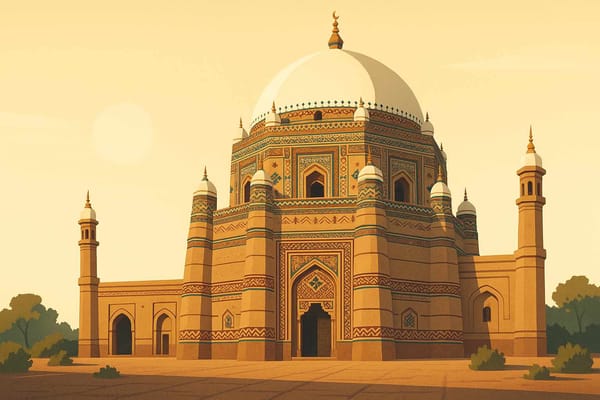
Mystical Architecture: Shah Rukn-e-Alam Tomb Explored
Some places don't just exist in brick and mortar; they breathe with the prayers of centuries. Standing in Multan, the ancient 'City of Saints', you feel this in the very air. My heart felt a pull towards one particular monument that rises against the sky like
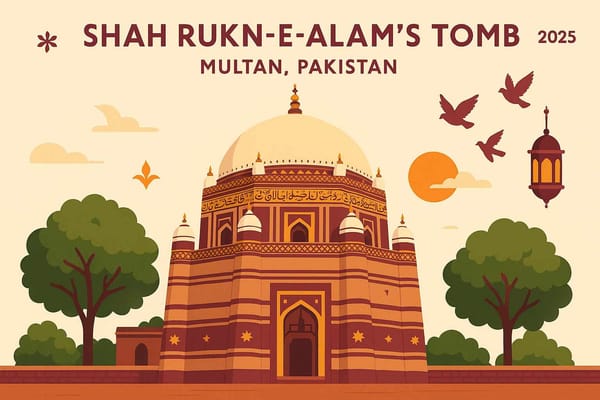
Explore the Mystical Charm of Shah Rukn-e-Alam's Tomb: A 2025 Guide
Some places aren't just destinations on a map; they are feelings, they are echoes of history, and they are deep, silent prayers. Imagine standing under the vast Multan sky, your eyes fixed on a magnificent dome of brilliant blue and turquoise. This isn't just a building;
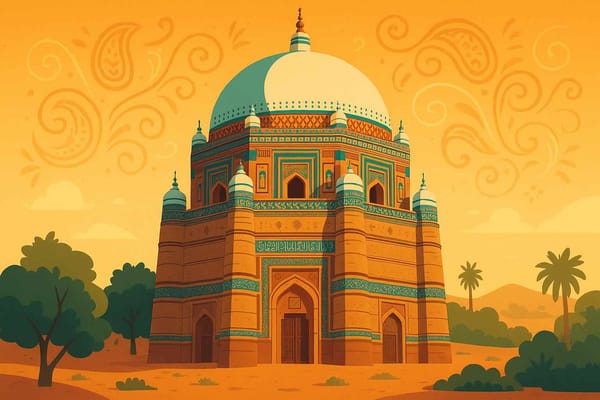
Multan's Mystique: Shah Rukn-e-Alam's Tomb Explained
There are some places that you don't just see; you feel them in your soul. The moment you witness the grand mausoleum of Shah Rukn-e-Alam rising against the Multan sky, you understand. It's not just bricks and mortar; it’s a living testament to faith, a