
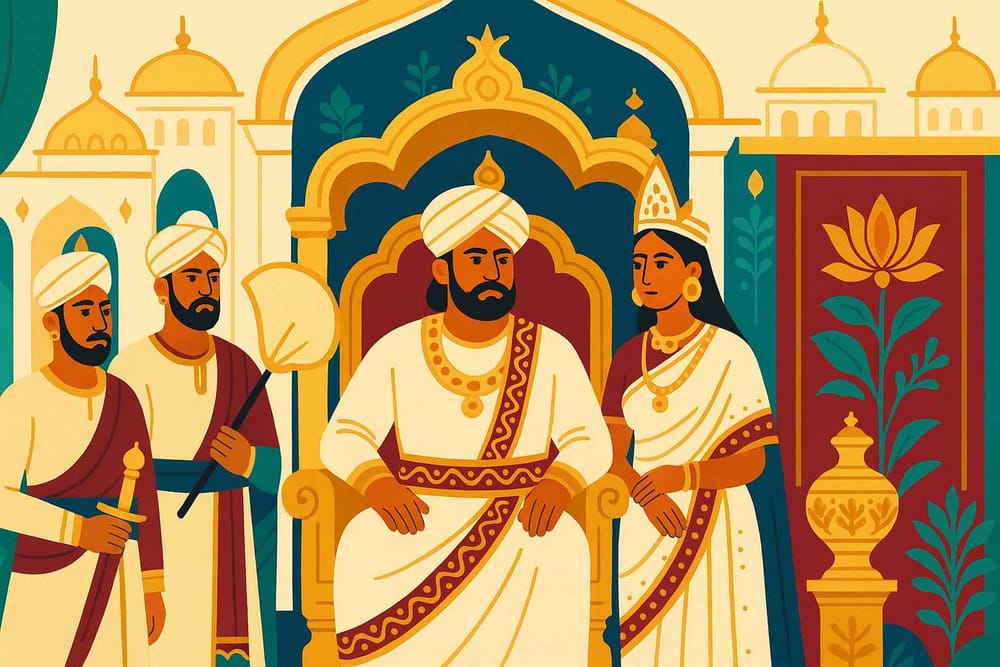
Gaur Dynasty Legacy: Key Figures Shape Influence
Sometimes, when you walk through the ancient lands of Bengal, you can almost feel the whispers of history in the air. Long before the Nawabs and the British, there was an era of immense pride and power, an age when Bengal first carved out its own independent identity. This was the time of the Gaur Dynasty, or the Gauda Kingdom. This isn't just a story from a textbook; it's the story of our ancestors, their dreams, their struggles, and the magnificent legacy they left behind for us.
Thinking about them fills my heart with a sense of wonder. How did they build such a prosperous kingdom? What were their beliefs? Let's take a journey back in time together, to understand the soul of this remarkable dynasty that shaped the cultural and spiritual heart of Eastern India.
A Land of Plenty and Piety: The World of the Gaur Kings
The Gaur Dynasty didn't just appear out of nowhere. They rose in a land that was already blessed – the fertile plains of Bengal and Bihar, crisscrossed by mighty rivers. This strategic location was a lifeline for trade, connecting the heart of India with distant lands. Imagine bustling markets where merchants traded silks, spices, and stories, making the kingdom a vibrant hub of culture and commerce.
But the true wealth of the Gaur rulers was in their wisdom. They understood that a kingdom thrives when its people are happy. They invested in innovative irrigation, ensuring the paddy fields were always green and the villages prosperous. Under their rule, a beautiful harmony existed. Hindu temples and Buddhist monasteries stood side by side, each receiving patronage. This wasn't just tolerance; it was a deep understanding that all paths to the divine are worthy of respect. The magnificent forts and temples they built were not just structures of brick and stone; they were expressions of their devotion and their vision for a glorious kingdom.
The Pillars of the Kingdom: Unforgettable Rulers
A dynasty is defined by its leaders, and the Gaur lineage was blessed with some truly extraordinary figures. Each left an indelible mark on our history.
- Shashanka: The Visionary Founder
Often hailed as the first truly independent sovereign of Bengal, Shashanka was a figure of immense strength and vision. In the late 6th century, he dared to dream of a unified Bengal, free from the yoke of larger empires. He was a staunch devotee of Lord Shiva and a formidable warrior who established a kingdom that became a beacon of regional pride. His reign marked the dawn of a new era for Bengal. - Raja Ganesha: A Story of Unlikely Power
Centuries later, in a time of political turmoil, a local Hindu landlord named Raja Ganesha rose to power in 1414. His story is a powerful reminder that leadership can emerge from the most unexpected places. His brief but impactful reign saw a resurgence of Hindu traditions, showing the deep-rooted faith of the land. - Alauddin Husain Shah: The Architect of a Cultural Renaissance
During his reign (1494–1519), Gaur once again became the magnificent capital of Bengal. Alauddin Husain Shah was celebrated for his administrative genius and his patronage of art and literature. He fostered a period of great cultural fusion, where Bengali literature flourished alongside Persian influences, creating a unique and rich cultural tapestry. - Gour Govinda: The Valiant Defender
Known for his unwavering devotion and martial prowess, Gour Govinda ruled in the late 13th century. He is remembered for his fierce resistance against the Bengal Sultanate and is even credited with introducing advanced archery in warfare in Bengal's history. His tale is one of courage in the face of overwhelming odds.
Connecting the Threads of Indian History
In medieval India, no kingdom existed in isolation. The stories of great dynasties were often intertwined through trade, diplomacy, and sometimes, conflict. While figures like Aliya Rama Raya of the grand Vijayanagara Empire were not directly linked to the Gaur Dynasty, their worlds were part of the same great Indian narrative. The Gaur Dynasty's influence on trade routes and political stability in the East had ripple effects across the subcontinent.
This interconnectedness is a beautiful aspect of our history. It shows how different regions, with their unique cultures, contributed to the larger idea of India. The legacies of great maharajas, whether in the east or the south, teach us about governance, culture, and the timeless pursuit of dharma. You can explore more about these powerful legacies and their impact on our modern culture to see how these ancient threads still connect us.
A Legacy That Breathes Today
The Gaur Dynasty may have faded into history, but their spirit is all around us. Their architectural wonders, though in ruins, still stand in places like Malda, telling tales of their grandeur. They remind us of our ancestors' incredible skill in urban planning and design.
But their most profound legacy is cultural. The love for literature and storytelling they nurtured can be seen in the rich tradition of Bengali poetry and prose. The atmosphere of spiritual harmony they cultivated laid the groundwork for the devotional Bhakti movements that would later sweep across Bengal. When we celebrate festivals like Durga Puja with community spirit, we are, in a small way, carrying forward the values of unity and faith that they championed.
Learning about rulers like them, who balanced power with piety, is truly inspiring. It reminds me of other great kings who transformed their kingdoms through faith, like the story of the influential ruler Kumarapala of the Chaulukya Dynasty.
It is this very essence of our heritage, these timeless stories of faith and culture, that we at Bhaktilipi are passionate about preserving. We believe that these narratives are not just history; they are a source of inspiration for our lives today. We invite you to explore these stories with us on Bhaktilipi.in, a space dedicated to the devotional heart of India.
Stay connected with our mission to share this precious wisdom. You can follow our journey and get regular updates through our newsletter and social media channels.
Clearing the Mists of Time: Understanding the Gaur Dynasty
The history of the Gaur Dynasty is vast, and it’s natural to have questions. Many often wonder about the most influential figures of this era. Without a doubt, Raja Shashanka stands tall as a key figure for his pioneering role in establishing Bengal's sovereignty. His leadership laid the foundation for the kingdom's future greatness. Their reign wasn't just about battles; their primary achievements lay in creating robust administrative systems, fostering a powerful military, and making immense cultural contributions that enriched the region.
Another common point of curiosity is the dynasty's architectural footprint. Yes, a wealth of architectural remains from the Gaur Dynasty still exists. Majestic forts, intricate temples, and ancient inscriptions found across Bengal serve as a testament to their artistic and cultural vision. The decline of such a great dynasty was not due to a single event but a combination of internal strife, persistent invasions from neighboring powers, and the gradual rise of new empires that shifted the balance of power in the region.
Conclusion: A Legacy Etched in Our Hearts
The Gaur Dynasty is more than just a chapter in a history book. It is a shining example of Bengal's rich and resilient spirit. Their story teaches us about leadership, cultural pride, and the importance of faith. By remembering them, we don't just look back at the past; we find a deeper connection to our own roots and a source of inspiration for the future. Their legacy is a timeless treasure, reminding us of the enduring strength and beauty of our Indian heritage.
A passionate group of people dedicated to preserving India's knowledge of Dharma, Karma, and Bhakti for ourselves and the world 🙏.