
Exploring the Biodiversity-Protected Areas of West Bengal: A 2025 Guide
There is a special kind of magic that fills the air in West Bengal. It’s a land where the mighty Himalayas in the north seem to whisper secrets to the vast, mysterious mangrove forests of the south. This isn't just about geography; it's about a deep, living connection with nature that has been a part of our culture for centuries. As we step into 2025, West Bengal continues to be a shining example of how we can protect our natural heritage, our virasat, for the generations to come. This guide isn't just a list of places; it's an invitation to explore the state's ecological heartlands, understand the efforts to protect them, and travel in a way that nourishes both your soul and the environment.
The Crown Jewels of Bengal's Wilderness
When people ask about the most prominent biodiversity-protected areas in West Bengal, it's like asking a mother to choose her favourite child! Each one is unique and precious. From dense forests to sprawling grasslands, these sanctuaries are the lifeblood of the state.
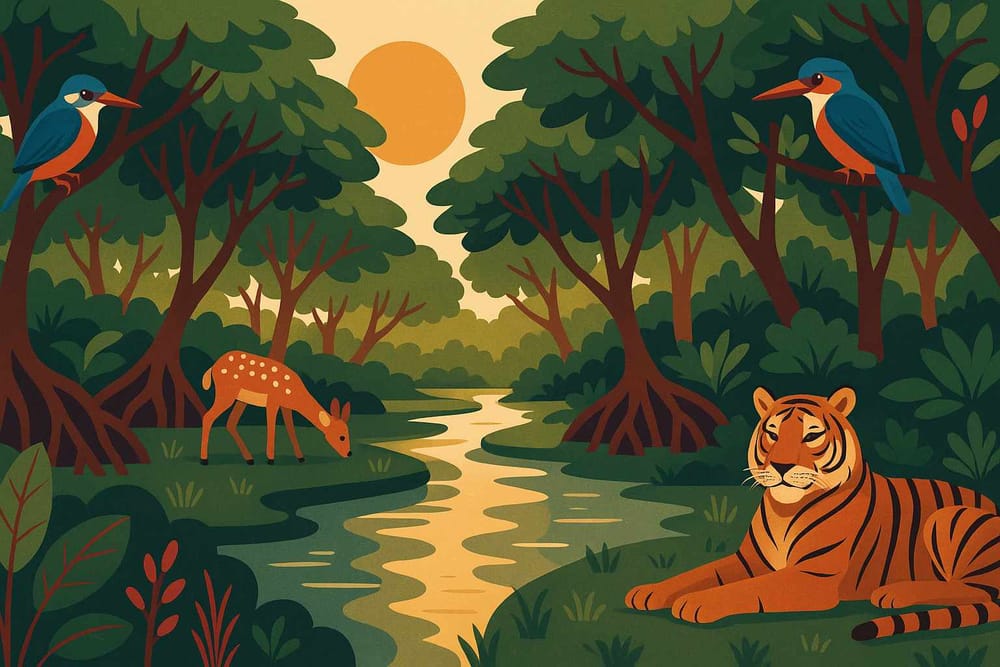
- The Mystical Sundarbans National Park: A place of legend and wonder, the Sundarbans is a UNESCO World Heritage Site and the world's largest mangrove forest. It's famous for a reason—it’s the kingdom of the majestic Royal Bengal Tiger. But its biodiversity goes far beyond. Imagine gliding on a boat through the winding creeks, spotting a saltwater crocodile sunning itself on the mudflats, or seeing a flock of colourful kingfishers. With plans to expand its area, the Sundarbans Tiger Reserve is set to become India's second largest, a testament to our commitment to protecting this fragile world.
- The Himalayan Sanctuaries - Singalila & Neora Valley: High up in the Darjeeling Himalayas lie two pristine heavens. Singalila National Park offers breathtaking views of Mount Everest and Kanchenjunga, but the real treasure here is the shy and adorable Red Panda. Neora Valley National Park is a dense, untouched forest, a paradise for trekkers and botanists, filled with rare orchids and vibrant flora. These parks are truly some of the most stunning natural beauty hotspots in West Bengal.
- The Grasslands of Dooars - Gorumara & Jaldapara: Welcome to the land of the gentle giants! Gorumara and Jaldapara National Parks are renowned for their incredible population of the Indian one-horned rhinoceros. An elephant safari here is an experience that stays with you forever—moving gently through the tall grass, getting up close to these magnificent creatures in their own home. Jaldapara, after Kaziranga, boasts the largest rhino population in India.
- Buxa Tiger Reserve: The Elephant's Corridor: More than just a tiger reserve, Buxa is a critical corridor for migrating elephants between India and Bhutan. Its diverse landscape is home to clouded leopards, rare butterflies, and the historic Buxa Fort, which whispers tales of our freedom struggle. It’s a place where history and nature live side-by-side.
Our Promise to Mother Nature: Conservation in Action
Protecting these natural wonders is not just a government project; it's a sacred duty that involves everyone. The conservation efforts in West Bengal's protected areas are a beautiful blend of modern science and timeless community wisdom.
In the Sundarbans, for instance, local communities are the first line of defence in tiger conservation. They work hand-in-hand with forest officials, ensuring that humans and wildlife can coexist peacefully. Modern tools like camera traps and GIS mapping help monitor animal populations without disturbing them, but it is the dedication of the people on the ground that makes the real difference. Huge afforestation programs are underway, not just as a policy, but as a way of giving back to the earth what we have taken. It’s a holistic approach—restoring habitats, running anti-poaching patrols, and, most importantly, involving the local communities who have lived in harmony with these forests for generations.
Travel with a Conscience: The Heart of Ecotourism
How can a simple trip help in preserving this immense biodiversity? Through ecotourism, you become a part of the solution. It’s about more than just sightseeing; it’s about connecting, respecting, and contributing. When you choose an eco-friendly homestay in North Bengal or a community-run boat safari in the Sundarbans, your money directly supports local families and funds conservation. This provides them with a sustainable livelihood, reducing their dependence on forest resources and turning them into proud guardians of their environment.
Just as we turn to scriptures and stories on Bhaktilipi.in to understand our traditions and values, a journey through these sacred natural spaces teaches us respect and reverence for all of creation. It's a reminder of the delicate balance that sustains life.
Planning Your 2025 Bengal Wildlife Adventure
So, why should you plan your visit to West Bengal's biodiversity-protected areas in 2025? This year is special, with enhanced ecotourism facilities and new attractions, like the upcoming lion safari at Mahananda Wildlife Sanctuary's Bengal Safari Park. It's the perfect time to witness these conservation stories unfold.
The best time to visit is generally between October and April, when the weather is cool and pleasant, making wildlife sightings more likely. For a safe and enriching experience, guided tours are highly recommended. The local guides are not just experts in spotting wildlife; they are storytellers who can share the deep-rooted folklore and secrets of the forest. These places are wonderful for families and children too, offering a real-world classroom to learn about nature, as long as all safety guidelines are followed with respect.
A Final Thought: Embracing Our Natural Heritage
A journey through West Bengal’s protected areas is more than just a holiday. It’s a pilgrimage to the heart of nature. It’s an opportunity to see the world with fresh eyes, to feel the rhythm of the wilderness, and to understand our small but significant place within it. By choosing to travel responsibly, we not only create beautiful memories but also become part of a larger story—the story of preserving these precious gifts for generations to come. For a more detailed look into what these parks offer, this 2025 wildlife enthusiast's guide can be your perfect companion.
About Us
Bhaktilipi is dedicated to preserving timeless devotional literature from various regions and languages. We aim to keep the essence of bhakti alive by making these valuable texts accessible digitally. Our platform connects tradition with convenience, helping you explore authentic spiritual knowledge and practices anytime, anywhere.
Why Explore Bhaktilipi?
Discover devotional stories, rituals, and literature that enrich your spiritual journey. Gain knowledge about traditions, protected cultural practices, and sacred texts in an easy-to-understand format. Stay connected to your roots while embracing modern convenience.
Subscribe to our newsletter for updates on new content and insights into bhakti literature. Follow us on social media for daily inspiration:
Join us in preserving devotion and tradition for future generations!
A passionate group of people dedicated to preserving India's knowledge of Dharma, Karma, and Bhakti for ourselves and the world 🙏.