
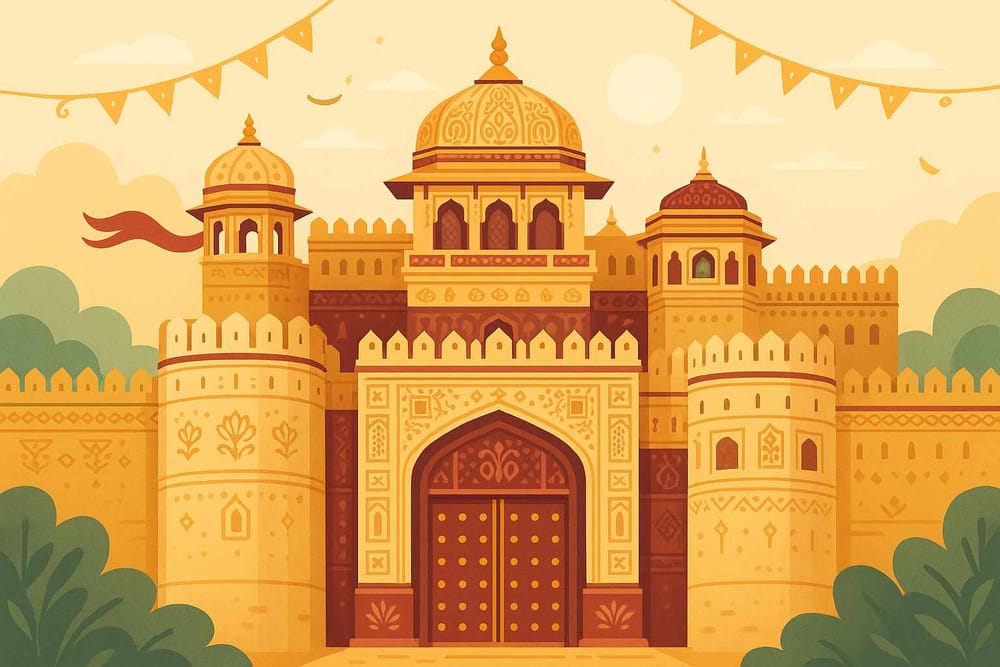
Built to Last: India's Ancient Forts Showcase Architectural Marvels
There's a special kind of magic you feel when you stand on the ramparts of an ancient Indian fort. The wind carries tales of valour, the stones hold memories of royalty, and the sheer scale of it all leaves you humbled. These are not just old buildings; they are the proud, silent storytellers of our glorious past. These magnificent structures are a testament to the strategic genius and artistic soul of the dynasties that built them, designed to stand strong against invaders, the forces of nature, and the relentless march of time itself.
The Genius Within the Stone: How Were These Marvels Built?
Ever wondered how these colossal fortresses were raised without the help of modern machinery? It was a beautiful symphony of science, art, and immense dedication. The builders of ancient India were masters of their craft, considering every little detail from the land around them to the needs of the people within.
- Harmony with Nature: The construction almost always began with using materials found right there. Durable granite, majestic sandstone, and timeless limestone were sourced locally, which not only made the forts incredibly strong but also helped them blend seamlessly into the landscape, as if they grew right out of the earth. The iconic Red Fort in Delhi, with its famous red sandstone walls, is a perfect example of this philosophy.
- Built to Last, Naturally: Our ancestors knew the secrets of creating earthquake-resistant structures long before modern engineering. In many forts, you'll find an ingenious technique of interlocking stones without mortar. This allowed the structures to have a certain flexibility, helping them withstand seismic tremors for centuries.
- A Fortress of Ingenuity: These weren't just walls; they were complex defence systems. Think of deep moats, towering watchtowers, and multiple layers of thick, imposing walls. The Jhansi Fort, for instance, boasts granite walls that are a staggering 15-20 feet thick! And for those inside, hidden pathways and secret escape tunnels were cleverly built in, providing a vital lifeline during a siege.
- The Elixir of Life - Water Management: A fort's biggest challenge during a long attack was its water supply. To solve this, our ancestors built incredible water management systems. Stepwells (baoris), massive reservoirs, and intricate harvesting channels ensured that the fort's residents never ran out of water, making the stronghold truly self-sufficient.
A View from the Top: The Strategic Wisdom of Hilltop Forts
So many of our most breathtaking forts are perched atop hills, and this was no accident. The location was a masterstroke of military strategy, offering a host of advantages that made them nearly unconquerable.
- The Eagle’s Eye Advantage: From a hilltop, soldiers had a panoramic, unobstructed view of the surrounding plains. This high ground made it possible to spot an approaching enemy army from miles away, giving them precious time to prepare their defences. The magnificent Mehrangarh Fort in Jodhpur, standing 410 feet above the city, perfectly illustrates this commanding presence.
- Nature as the First Line of Defence: The steep, rugged slopes of a hill created a natural barrier. It was incredibly difficult for enemy soldiers, horses, and elephants to climb and launch an effective attack, often exhausting them before they even reached the main gates.
- A Haven from the Elements: Beyond defence, these elevated locations offered practical benefits. They provided better ventilation and cooler temperatures, a welcome relief in India's hotter regions. Furthermore, being on a hill meant the fort was safe from the devastating floods that could plague the lowlands during the monsoons.
A Tapestry of Forts Across Our Land
India is blessed with a rich variety of forts, each with its own unique character shaped by its geography and history. This blend of meticulous planning and aesthetic beauty is a hallmark of Indian design, from ancient forts to even modern architectural wonders like Chandigarh.
The Crown Jewels: Rajasthan’s Hill Forts
When you think of forts, your mind often wanders to Rajasthan. The hill forts here are legendary, known for their sheer grandeur and a breathtaking blend of Rajput and Mughal architectural styles. The Amber Fort in Jaipur is a UNESCO World Heritage site, famous for its artistic brilliance, especially the 'Sheesh Mahal' (Mirror Palace), where thousands of tiny mirrors glitter like stars on the walls and ceiling.
Beyond the Hills: Other Types of Indian Forts
Our country’s diversity is reflected in its forts. You can find formidable Water Forts (Jal Durg) like the Murud-Janjira, surrounded entirely by the sea; stunning Desert Forts (Dhanvan Durg) like the golden Jaisalmer Fort, which seems to rise out of the Thar Desert; and mysterious Forest Forts (Van Durg) hidden deep within dense jungles. Each region has its own precious gems, like the historic forts that stand as sentinels over Junagadh, Gujarat's heritage gateway.
Echoes of the Past, Voices of the Present
A question often arises: are these ancient forts still in use today? The answer is a beautiful yes. While they no longer serve military purposes, their role in our lives is just as important. Some, like the Red Fort in Delhi, are iconic national landmarks where important ceremonies take place. Many others have been lovingly restored and converted into magnificent heritage hotels, museums, and vibrant cultural centres, allowing us to experience their royal charm firsthand. They are living museums, preserving not just stone and mortar, but the very spirit of India.
Exploring the Forts: Your Questions Answered
What makes the architecture of these forts so special?
The true marvel of these forts is how they perfectly balance brute strength with delicate beauty. They were built for war, yet they house some of the most intricate carvings, stunning palaces, and serene temples. The architecture reflects the opulence of the dynasties that built them, with beautiful arches, grand domes, and elaborate floral decorations, like those seen in the Agra Fort, showcasing the power and artistic vision of the Mughal era.
Which fort is considered among the oldest in India?
While dating ancient structures can be complex, many historians consider Qila Rai Pithora in Delhi, built by the great Prithviraj Chauhan in the 12th century, to be one of the oldest and most significant historical forts in the country. Its ruins still stand today, whispering tales of a bygone era of chivalry and courage.
What kind of defensive secrets did these forts hold?
Beyond the obvious thick walls and moats, Indian forts were full of clever defensive features. Many had complex, winding entryways with massive gates studded with spikes to deter war elephants. Some, like the Golconda Fort, even had extraordinary acoustic systems where a clap at the entrance could be heard at the highest point of the fort, acting as a warning system against intruders.
Preserving Our Stories, Old and New
These majestic forts are the keepers of our history, with stories of our ancestors etched into every stone. In the same spirit, Bhaktilipi is a digital space dedicated to preserving our timeless devotional and spiritual heritage. We believe in sharing the wisdom of sacred texts and inspiring stories in a way that connects with today’s soul.
Our platform offers carefully curated translations and original works, ensuring that the essence of bhakti is kept alive for the modern reader. We aim to preserve this wisdom, reimagine it for contemporary life, and share it with the reverence it deserves. By exploring Bhaktilipi, you connect with the deep spiritual roots of India.
Stay connected with us on our journey:
Join our community in celebrating devotion and tradition in a way that truly speaks to you.
Honouring Our Timeless Heritage
India’s ancient forts are more than just tourist destinations; they are symbols of our nation’s resilience, craftsmanship, and rich cultural tapestry. To walk through their gates is to walk through history itself. As we explore these treasures, let’s take a moment to appreciate the incredible vision and dedication that went into creating them. By honouring these forts and learning their stories, we celebrate the enduring legacy of our ancestors and keep their spirit alive for generations to come.
A passionate group of people dedicated to preserving India's knowledge of Dharma, Karma, and Bhakti for ourselves and the world 🙏.
Comments
Related in
The Ancient Sentinels: Bhatner Fort-History and Builders
In the heart of Hanumangarh, where the Ghaggar River whispers ancient secrets, stands a fortress that has defied time itself. The Bhatner Fort isn't just a structure of bricks and mortar; it's a living chronicle of India's glorious past, a silent witness to over