

Bankura Horse: Culture and Significance
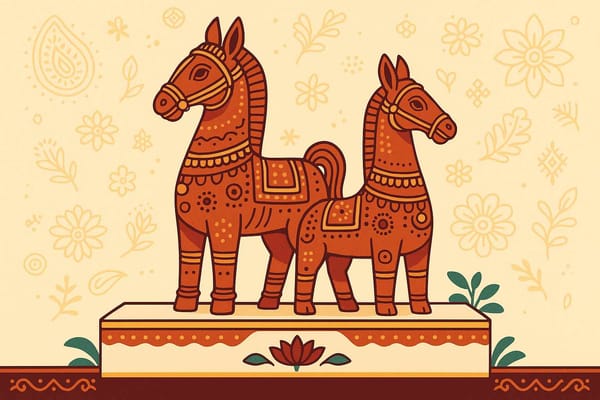
In the winding lanes of West Bengal's Bankura district, particularly in a village called Panchmura, there's a magic that rises from the earth. It’s a magic shaped by hands that have learned their craft from generations past. This magic takes the form of a striking terracotta horse, with a long neck, sharp ears, and a silent, dignified stance. This isn't just a decorative item you place on a shelf; the Bankura Horse is a piece of our heritage, a vessel of faith, and a powerful symbol of rural Bengal's artistic heart.
For many of us, it’s a familiar sight, a reminder of our grandparents' homes or a souvenir from a trip to Santiniketan. But have you ever stopped to think about the story held within its earthy form? Let's journey together into the world of this iconic craft and uncover why it holds such a special place in Indian culture.
The Whispers of History: Where Did the Horse Come From?
The story of the Bankura Horse is as old as the soil it's made from. Its origins are deeply rooted in the Bishnupur region, a land that flourished with art and culture under the patronage of the Malla kings. The local Kumbhakar (potter) communities of Panchmura were the original storytellers, using the rich, alluvial clay from the riverbanks as their medium.
But these horses were not created for mere decoration. They were born from devotion. Traditionally, these terracotta figures were made as offerings to local deities, especially Dharma Thakur, a folk god often seen as a form of the sun god. Villagers would offer these horses as symbolic sacrifices to pray for a good harvest, the well-being of their families, and protection from harm. It was a way of communicating with the divine, a tangible prayer shaped from mud and fire.
The Artisan's Touch: Crafting a Legacy by Hand
Creating a Bankura Horse is an act of pure patience and skill. It’s a process where the artisan connects with the elements. It all begins with sourcing the right kind of clay, which is then kneaded and purified until it’s perfectly pliable.
- The Art of Shaping: The horse’s distinct features—the tall, elegant neck, the alert, pointed ears, and the strong body—are all shaped by hand. Different parts are often crafted separately on the potter's wheel and then joined together with incredible precision. This meticulous process is a testament to the artistic heritage of Bankura's craftsmanship.
- The Trial by Fire: Once shaped, the clay horse is left to dry under the sun. After it has hardened, it is fired in a traditional kiln. This intense heat transforms the fragile clay into sturdy, resilient terracotta, giving it its characteristic reddish-brown hue and ensuring it lasts for generations.
Each horse that emerges from the kiln is slightly different, carrying the unique imprint of its maker's hands. This is what makes every piece a true work of art, not just a product.
A Symbol of Faith, Fortune, and Harmony
So, what does the Bankura Horse truly represent? Its significance is layered and deeply woven into the cultural fabric of India. It's not just a figurine; it's a powerful emblem with profound meaning.
- A Guardian at the Doorstep: Many people believe that keeping a Bankura Horse in their home brings good luck and wards off negative energy. It stands as a silent protector, a symbol of strength, power, and prosperity that guards the household.
- An Offering of Gratitude: Beyond Dharma Thakur, these horses are also offered to Goddess Manasa and other village deities to fulfill vows or express gratitude for wishes granted. This tradition beautifully captures the essence of bhakti—a personal, heartfelt connection with the divine. For a deeper dive into its meaning, you can explore the symbolism of the Bankura horse in Indian culture.
- A Bridge Between Faiths: In a beautiful display of India's syncretic culture, these horses are sometimes offered at the tombs of Muslim saints (Pirs). This practice shows how the horse has transcended religious boundaries to become a universal symbol of devotion and respect.
The Bankura Horse in Our Modern World
From the humble village shrines of Bengal, the Bankura Horse has traveled the world. It became the official logo of the All India Handicrafts Board, cementing its status as a national symbol of Indian folk art. In fact, its cultural importance is so immense that in 2018, the "Bankura Panchmura Terracotta Craft" was given the prestigious Geographical Indication (GI) tag. This tag ensures that the craft's authenticity is protected and the artisans from this region receive the recognition they deserve.
Many wonder how this traditional art form fits into our contemporary lives. The answer is, seamlessly. The Bankura Horse's minimalist yet elegant design makes it a timeless piece of home decor. It adds a touch of ethnic grace to modern living rooms and serves as a constant reminder of our rich cultural roots. Gifting a Bankura Horse is considered a gesture of goodwill, wishing someone strength and success.
Finding an authentic Bankura Horse, crafted with traditional techniques, has become easier than ever. You no longer have to travel to Bengal to bring home this piece of heritage. Platforms that value and support traditional Indian crafts now make it possible to connect directly with the legacy of these artisans.
At Bhaktilipi, we believe that understanding the stories behind our traditions is what keeps them alive. The Bankura Horse is not just an artifact; it is a story of faith, resilience, and artistry passed down through countless generations. By cherishing it, we honour the artisans and keep the flame of our heritage burning bright.
Let this timeless symbol of devotion bring its silent strength and charm into your life, connecting you to the enduring spirit of India.
About Us
© 2025 Bhaktilipi – Crafted with devotion.
Bhaktilipi is your digital space for sacred texts, devotional literature, and timeless stories. We offer translations and original works that preserve bhakti traditions while connecting with modern readers. Our curated content spans regions and languages, keeping devotional heritage alive for future generations.
Why explore the cultural significance of the Bankura Horse with us? Because on our platform, you can delve deeper into its cultural importance, history, and connection to spirituality. We help you discover how this iconic figure reflects devotion and artistic excellence.
Stay connected for more insights into devotional literature and traditions by subscribing to our newsletter or following us on social media:
Join us to explore, learn, and celebrate timeless bhakti traditions.
A passionate group of people dedicated to preserving India's knowledge of Dharma, Karma, and Bhakti for ourselves and the world 🙏.
Comments
Related in
The Artistic Heritage of Bankura Horse- Craftsmanship Defines Culture
There's a certain warmth you feel when you step into a home that cherishes its roots. It’s in the faint aroma of incense, the old family photographs on the wall, and in the corner of the living room, a piece of art that tells a story of