
Assamese Culture: Traditions-Festivals-More You Need to Know
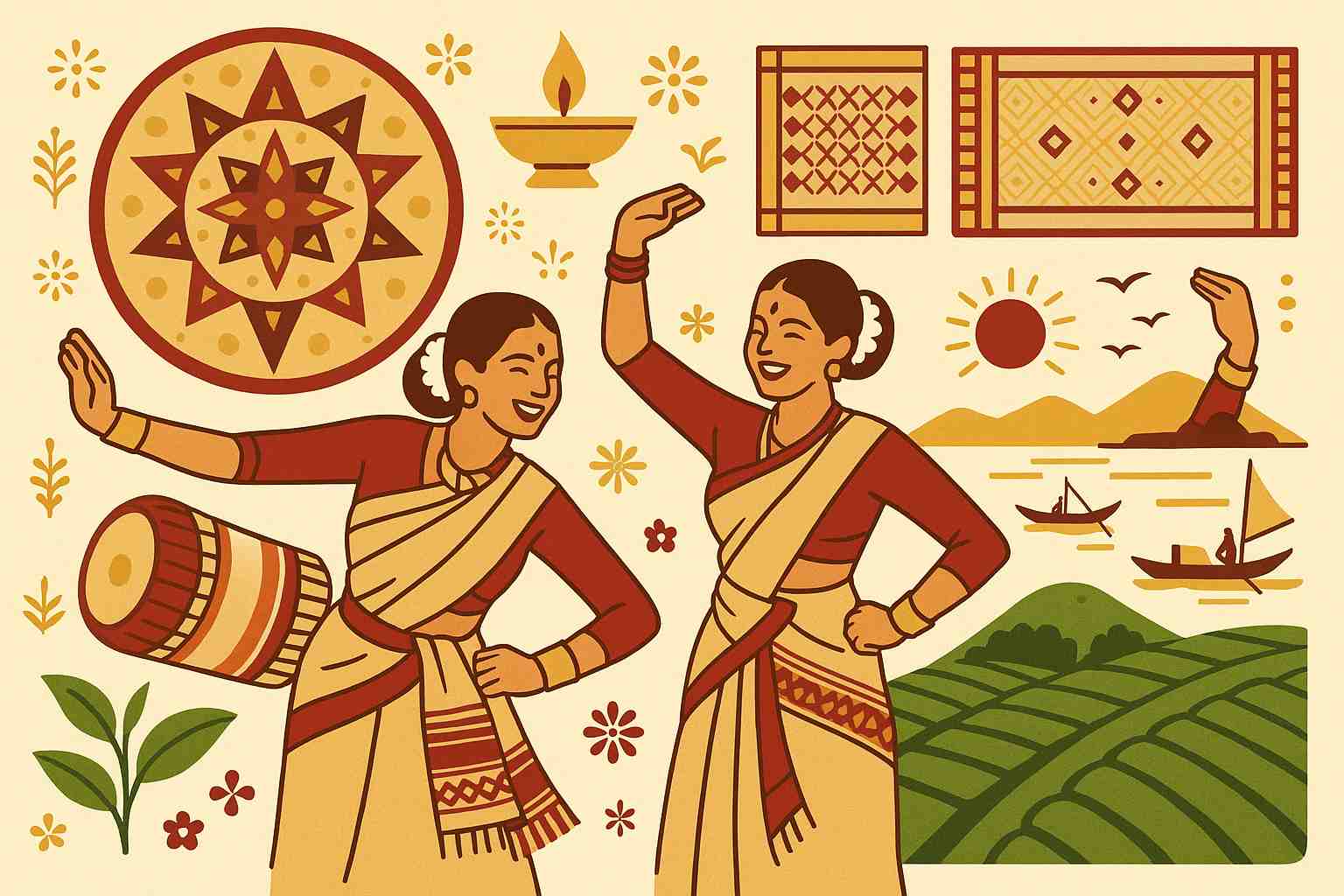
There's a certain magic in the air of Assam. It’s in the gentle rustle of tea leaves, the rhythmic beat of the dhol during Bihu, and the warmth of a handwoven gamosa offered in welcome. This land, nestled in India’s northeast, isn't just a place on a map; it's a living, breathing storybook of ancient traditions, vibrant festivals, and a deep connection to nature. Come, let’s turn the pages together and explore the beautiful soul of Assamese culture.
The Roots that Ground Us: A Glimpse into Assam’s Heritage
To truly understand Assam, you have to look back at its rich history. Its cultural journey began centuries ago with the powerful Kamrupa kingdom, which was a beacon of art and spirituality. Later, the teachings of Srimanta Sankardev brought a wave of devotion through Vaishnavism, shaping the state's spiritual fabric with beautiful music, dance, and literature that we cherish even today. This land has been home to incredible communities like the Bodos, Ahoms, and Mishings, each weaving their unique customs into the colourful tapestry of Assamese life. This blend of history and diverse influences makes Assam a truly unique cultural gem within India.
Everyday Life as a Celebration: Timeless Traditions
In Assam, tradition isn't just reserved for special occasions; it's a part of daily life, woven into clothing, food, and even the homes people live in.
- The Graceful Mekhela Chador: This is not just a dress; it’s a symbol of Assamese pride and elegance. The two-piece garment, worn by women, is a work of art, often adorned with intricate motifs inspired by nature. When a woman drapes a mekhela chador, she wears a piece of her heritage.
- The Golden Thread of Muga Silk: Assam is blessed with the exclusive Muga silk, often called the "golden fabric." This rare silk, with its natural shimmer and durability, is handwoven by skilled artisans into beautiful garments. Owning a Muga silk piece is like holding a piece of Assam's identity in your hands.
- The Taste of the Land: Assamese cuisine is a beautiful reflection of its agricultural roots – simple, hearty, and incredibly flavourful. Dishes are often centered around rice, fresh fish, and local herbs. The unique taste comes from ingredients like bamboo shoots and the pungent mustard seed, creating a culinary experience that is both comforting and authentic.
- The Rhythmic Folk Arts: The soul-stirring music and dance forms of Assam are a direct connection to its history and mythology. The most famous is the Bihu dance, a joyous and energetic performance that celebrates life. Accompanied by instruments like the dhol (drum) and pepa (buffalo hornpipe), its fast-paced steps tell stories of joy, love, and nature. Beyond Bihu, the classical Sattriya dance, born in Vaishnav monasteries, is a beautiful form of devotion expressed through graceful movements.
The Heartbeat of Assam: Its Vibrant Festivals
Festivals in Assam are more than just holidays; they are grand celebrations of community, nature, and spirituality. They are the times when the entire state comes alive with colour, music, and joy.
Bihu: The Soul of Assam
More than just a single event, Bihu is the most important cultural celebration, marking the rhythms of a farmer's life. It is a set of three distinct festivals that bind the community together.
- Rongali Bihu (Bohag Bihu): Celebrated in April, this is the most vibrant of the three. It marks the Assamese New Year and the arrival of spring. The air is filled with the sounds of Bihu songs, and fields echo with the energy of dance performances. People wear new clothes and share delicious homemade sweets like pitha and laru.
- Kati Bihu (Kongali Bihu): This is a more solemn and reflective occasion in October. It’s a time for prayer, where families light small earthen lamps (saki) in their paddy fields and homes, praying for a bountiful harvest and protection for their crops.
- Magh Bihu (Bhogali Bihu): Celebrated in January, this festival marks the end of the harvest season. It's a time of feasting and gratitude. Communities come together to build makeshift huts called Meji from bamboo and thatch, which are then ceremoniously burnt during community feasts.
Other Major Celebrations
Beyond Bihu, Assam’s festive calendar is rich and diverse. The Ambubachi Mela at the Kamakhya Temple in Guwahati is a powerful festival celebrating fertility and the divine feminine energy, drawing devotees from all over India. Then there's the unique Jonbeel Mela, where an ancient barter system is still practiced, reminding everyone of a time built on trust and cooperation. Festivals like Ali-Ai-Ligang of the Mishing tribe and Baishagu of the Bodo community showcase the state's incredible tribal diversity and their deep respect for agriculture. For a deeper understanding, you can read more about the essence of Assamese celebrations.
Art from the Heart and Hands
Assamese art forms are a beautiful narrative of creativity passed down through generations. On the river island of Majuli, artisans craft breathtaking masks used in religious dramas called Bhaona, bringing mythological characters to life. The skill of bamboo craft is seen everywhere, from simple baskets to sturdy furniture. In Sarthebari, artisans practice the ancient craft of bell metal work, creating utensils and ritual items that shine with a timeless beauty. Every handicraft tells a story of skill, devotion, and cultural symbolism.
Embracing the Timeless Spirit of Assam
Assam's culture is a beautiful reminder of the importance of staying connected to our roots. It teaches us to find joy in simplicity, to live in harmony with nature, and to cherish our communities. Whether it's the elegance of a mekhela chador or the joyful spirit of Bihu, every part of this culture offers a glimpse into a world that is pure, authentic, and deeply inspiring.
Exploring this heritage is not just about learning facts; it’s an experience that fills the heart with respect and wonder. Let the rich culture of Assam be a source of inspiration, reminding us of the beautiful bond between humanity and nature. If you're inspired to explore more about Assamese traditions, there is so much more to discover.
About Bhaktilipi
© 2025 Bhaktilipi – Crafted with devotion. We at Bhaktilipi believe that our traditions hold timeless wisdom. Our digital space is dedicated to sharing authentic devotional stories, rituals, and literature in a way that connects with and inspires today's generation.
Why Bhaktilipi?
If the rich spiritual fabric of Assam fascinates you, Bhaktilipi is the perfect place to continue your journey. We help you discover the beauty of India's devotional culture, offering deep insights into rituals, festivals, and spiritual wisdom in a simple, heartfelt way.
Stay connected with us for more such inspiring stories! Subscribe to our YouTube channel, and follow us on Facebook and Instagram for regular updates from the world of Indian spirituality and culture.
A passionate group of people dedicated to preserving India's knowledge of Dharma, Karma, and Bhakti for ourselves and the world 🙏.
Comments
Related in
Exploring Assamese Traditions: A Rich Tapestry Unfolds
Kabhi socha hai, jab Brahmaputra nadi ki leherein gungunati hain, aur chai ke bagano se halki-halki khushbu aati hai, toh Assam ki mitti kya kehti hogi? Yeh sirf ek rajya nahi, balki ek ehsaas hai. Ek aisi jagah jahan parampara har ghar ke aangan mein saans leti hai, jahan tyohaar
Exploring the Depths of Assamese Culture- Beyond the Known- A 2025 Perspective
There's a certain magic in the air of Assam, a scent of rain-soaked earth from the sprawling tea gardens mingling with the distant, soulful tunes of a Bihu folk song. It’s more than just a place of stunning natural beauty; it's a land where every
Assamese Culture- Symbols and Traditions: A Heritage Explored
Kabhi aapne socha hai ki humare desh ke har kone mein kitni alag aur khoobsurat kahaniyan basi hui hain? Aisi hi ek dil ko chhoo lene wali kahani hai Assam ki. Jab hum Assam ke baare mein sochte hain, toh aankhon ke saamne hare-bhare chai ke bagan aur Brahmaputra nadi